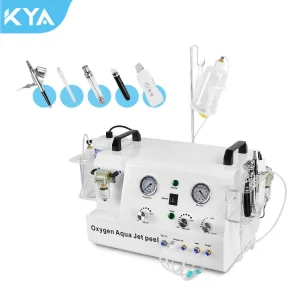
High-energy clinical hardware and premium biological repair systems designed to meet localized dermatological recovery challenges in Port Vila and regional centers.
The Republic of Vanuatu, an archipelago in the South Pacific, exhibits a unique dermatological landscape shaped by its geographical location, tropical maritime climate, and demographic profile. Local clinics and medical distributors in centers such as Port Vila and Luganville are experiencing a surging demand for specialized skin recovery and scar revision products. This surge is driven by three primary factors:

The clinical landscape for scar and stretch mark revision has evolved from single-agent topicals to synergistic treatments integrating laser-induced micro-injury and regenerative cellular biology.
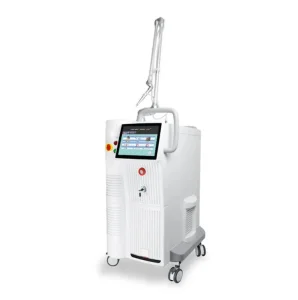
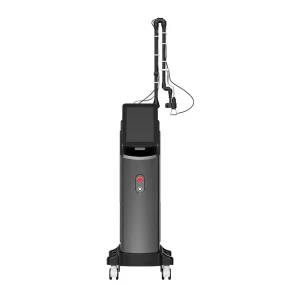
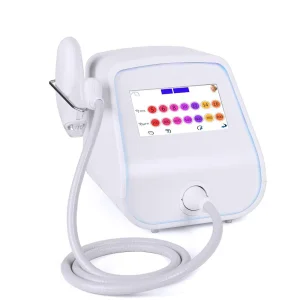
10600nm CO2 fractional lasers create micro-thermal zones (MTZs) in the dermis, vaporizing column-like channels. This triggers the natural wound healing cascade, stimulating fibroblasts to replace abnormal scar matrix with structured Type I and Type III collagen.
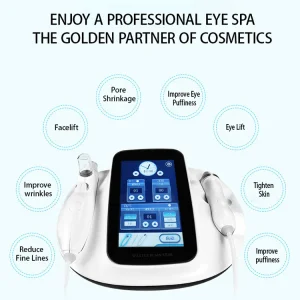
By delivering targeted RF energy directly into the reticular dermis via insulated needles, systems bypass the epidermal barrier. This reduces the risk of post-treatment hyperpigmentation—a critical feature when treating Fitzpatrick Skin Types IV to VI.
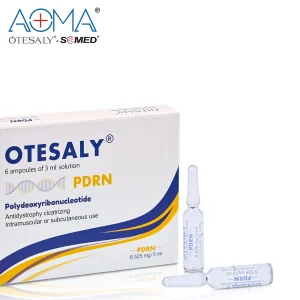
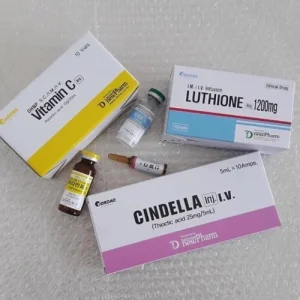
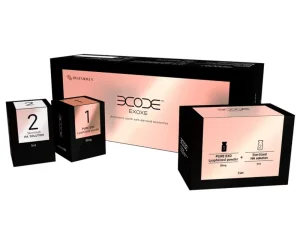
Exosomes and Polydeoxyribonucleotide (PDRN) derived from salmon DNA stimulate cell proliferation at a molecular level, reducing down-time, accelerating re-epithelialization, and suppressing pro-inflammatory cytokines that cause keloids.
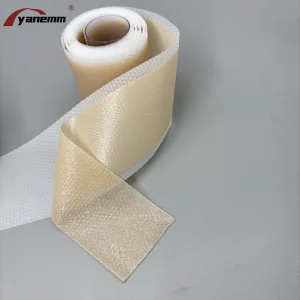
Topical medical silicone gel sheets and lightweight active botanical creams form a semi-occlusive barrier. This mimics the stratum corneum, restoring hydration homeostasis and softening collagen structures.
Jiangsu Menuka Medical Co., Ltd. leverages China's advanced industrial manufacturing ecosystem to resolve long-standing logistical and commercial challenges for remote markets like Vanuatu.
For distributors and medical institutions in remote regions, direct purchasing presents unique supply chain hurdles, including extended delivery timelines, equipment customization needs, and reliable technical backup. Menuka Medical overcomes these obstacles through the following key strengths:
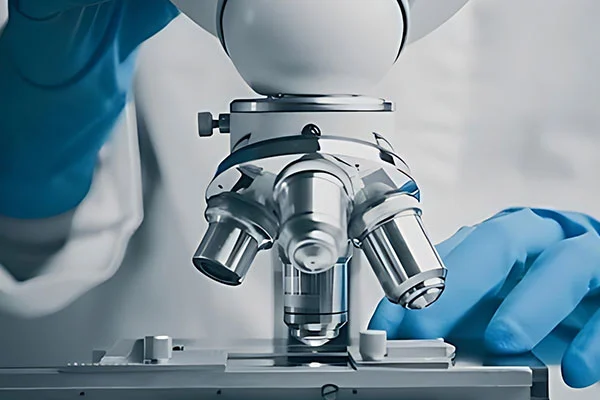
Founded in 2009, Jiangsu Menuka Medical Co., Ltd. is a leading innovator in medical skincare and dermatological solutions. As a modern enterprise integrating R&D, intelligent manufacturing, clinical application, and global distribution, Menuka Medical is dedicated to advancing professional skincare through science, safety, and innovation.
With years of expertise in dermatology and post-procedure skincare, Menuka Medical develops advanced formulations and functional skincare products supported by patented technologies, clinical validation, and strict quality standards. Our products are specially designed to address sensitive skin conditions, aesthetic recovery, and professional dermatological care.
Today, Menuka Medical has established long-term partnerships with distributors, medical institutions, and skincare professionals across more than 15 countries and regions worldwide. We continue to seek experienced and visionary global partners to expand our international network and bring advanced skincare solutions to broader markets.
At Menuka Medical, we believe skincare is more than a daily routine — it is a professional solution that enhances skin health, confidence, and quality of life. Our products are developed with a strong focus on:
Our fully automated manufacturing processes ensure consistency, safety, and hygiene for every medical device and topical formulation shipped worldwide.
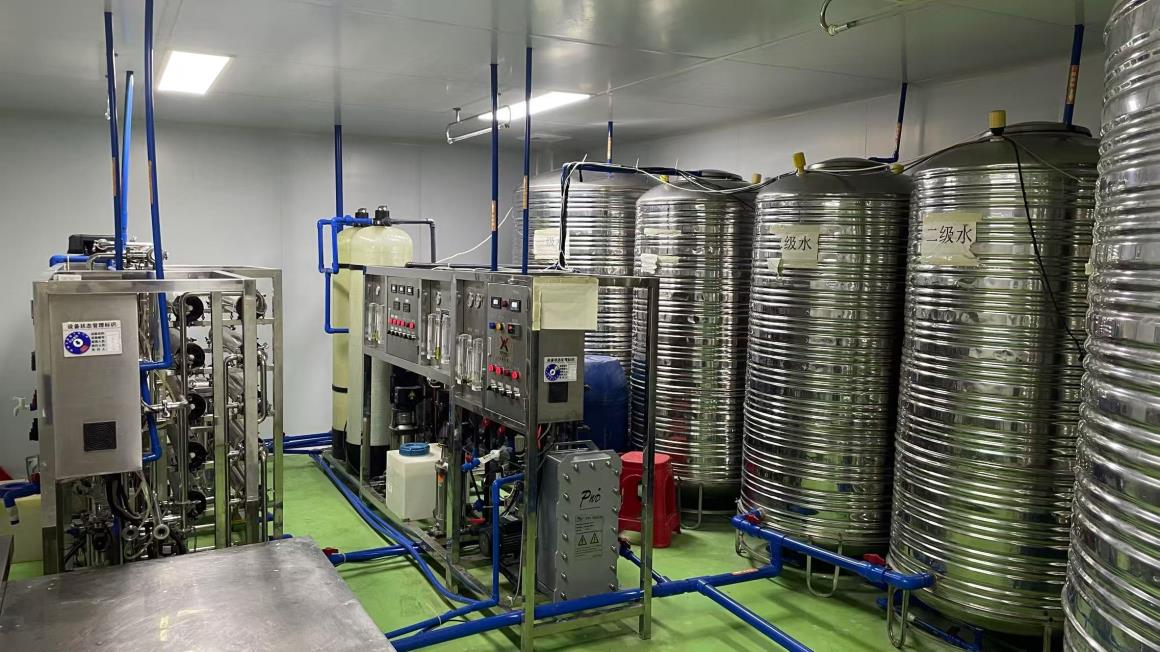
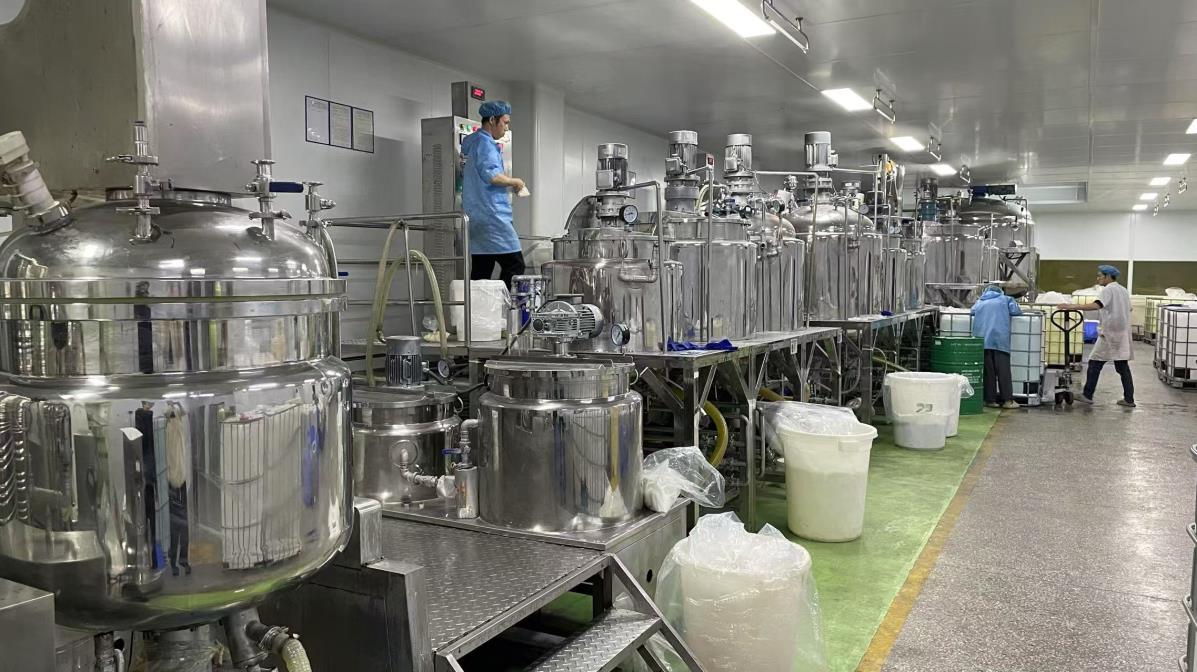
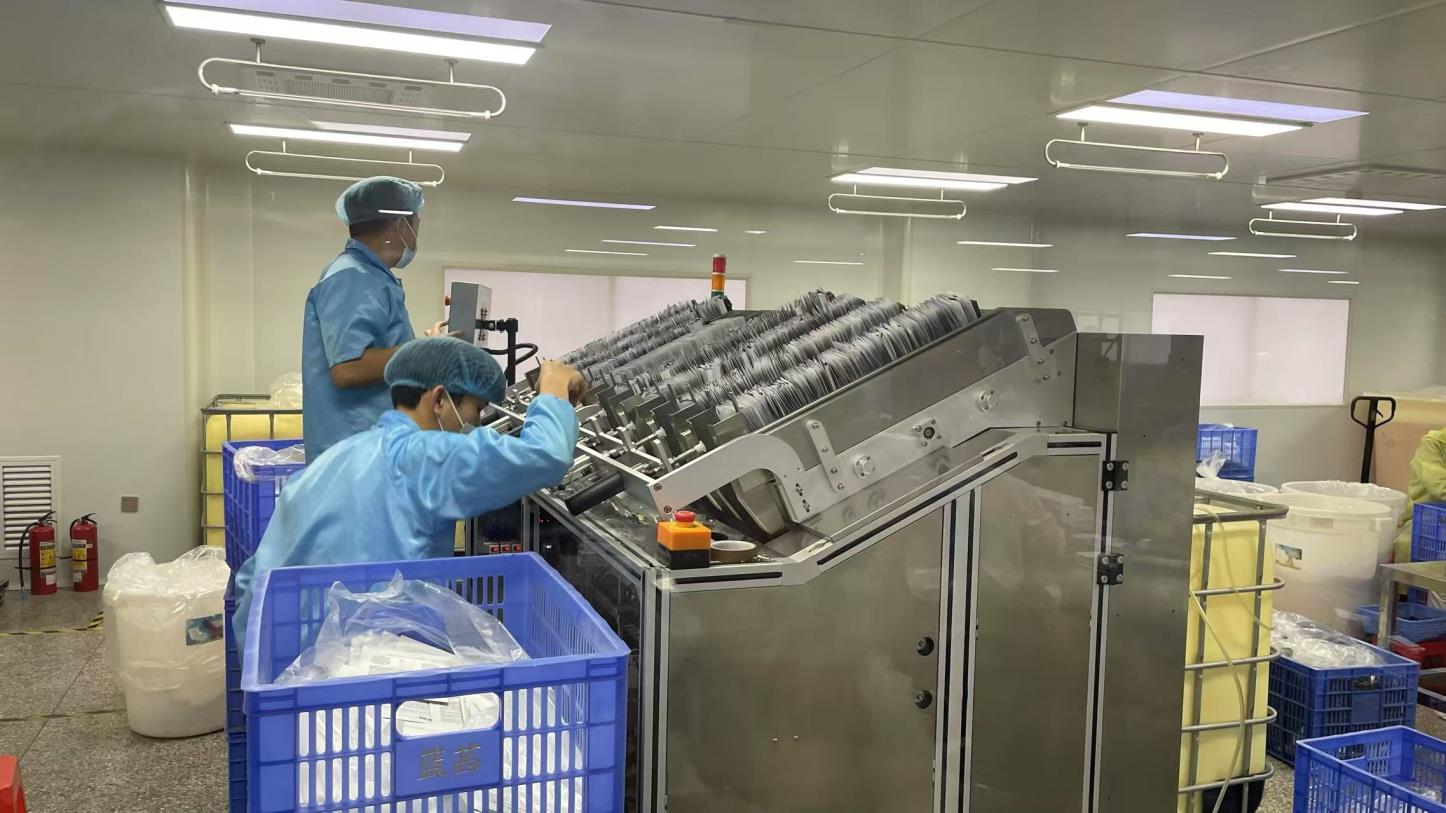
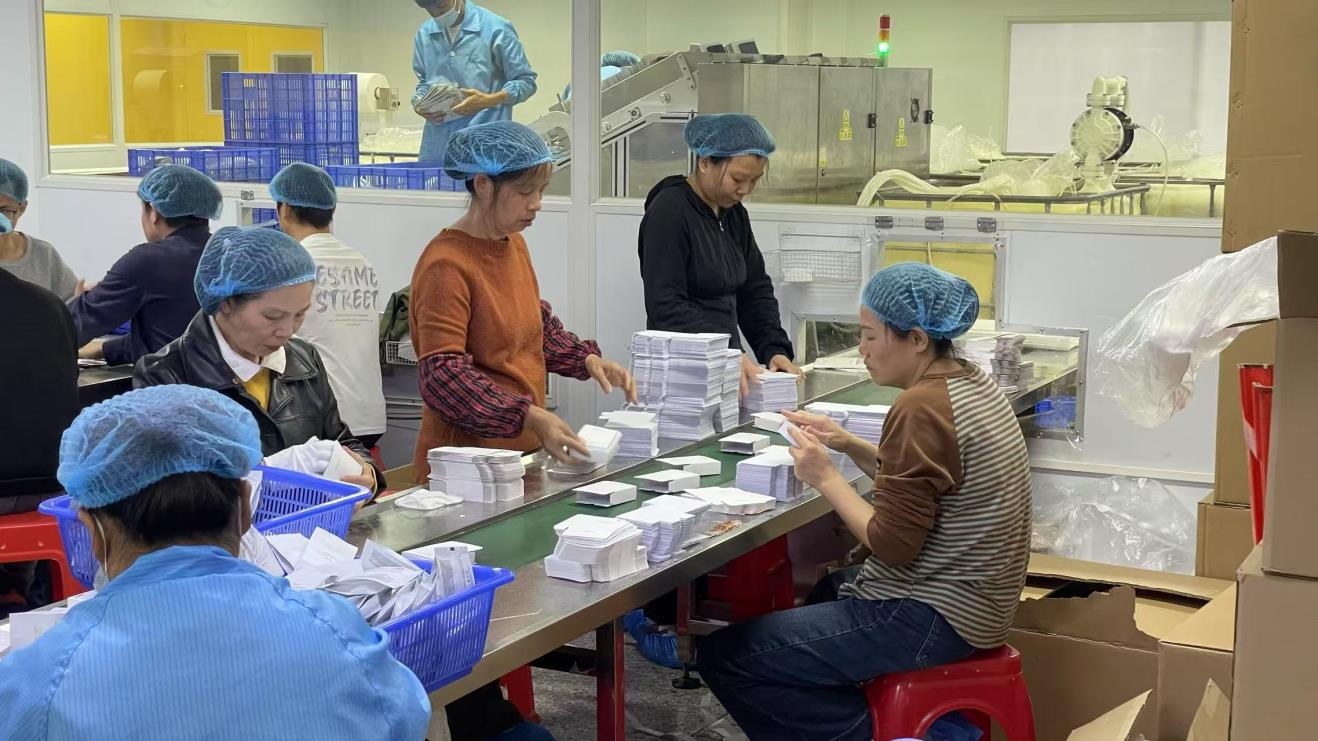
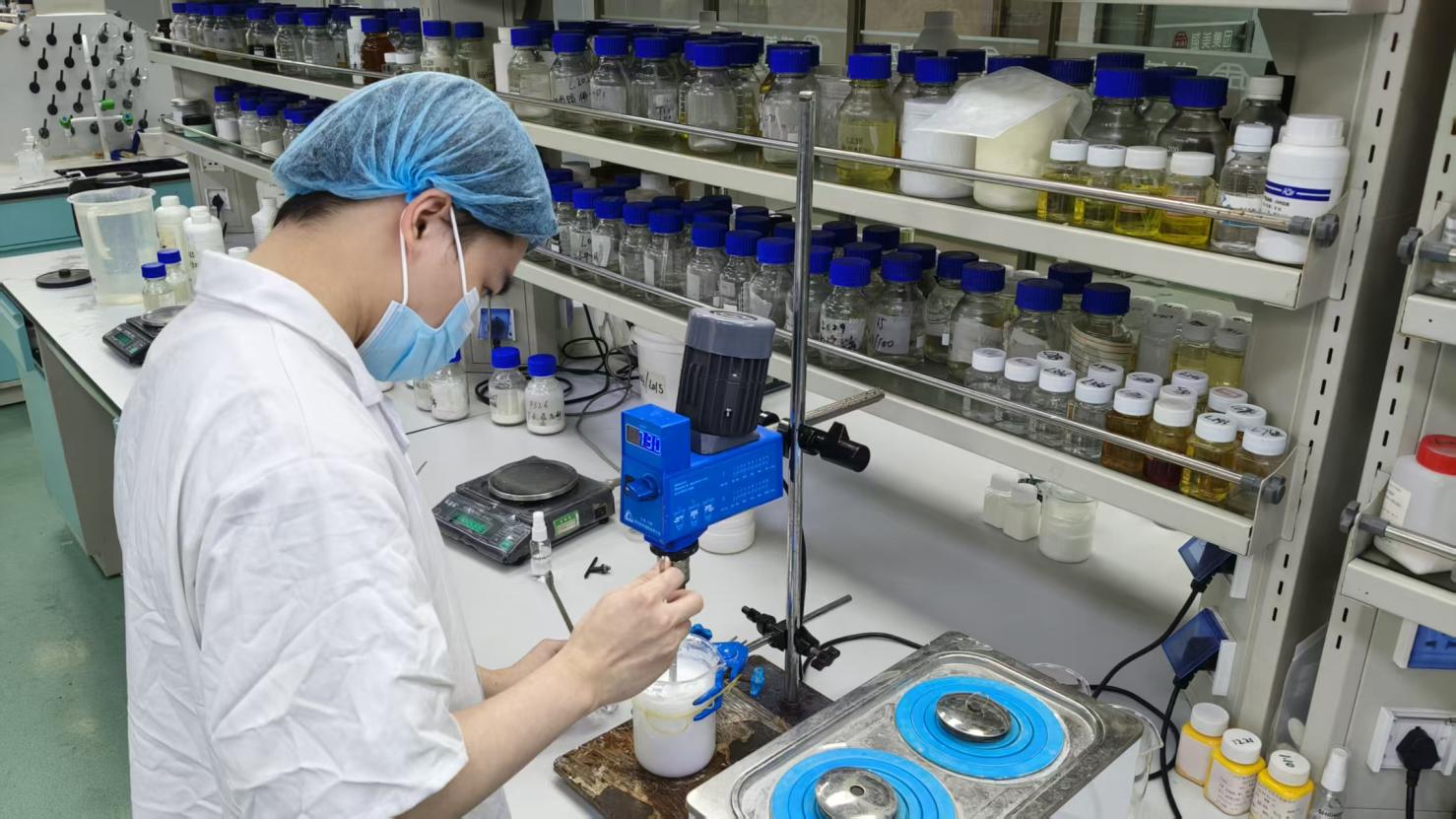
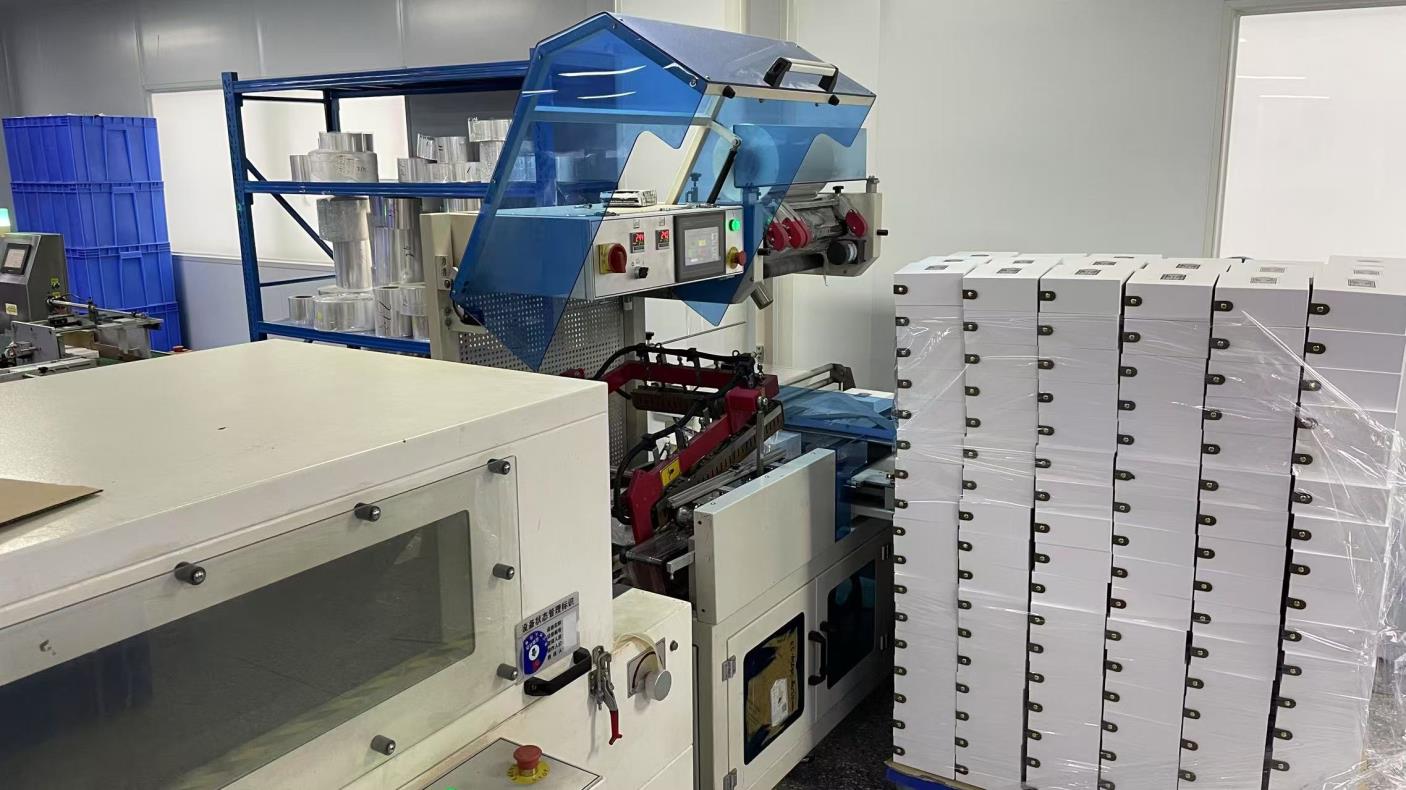
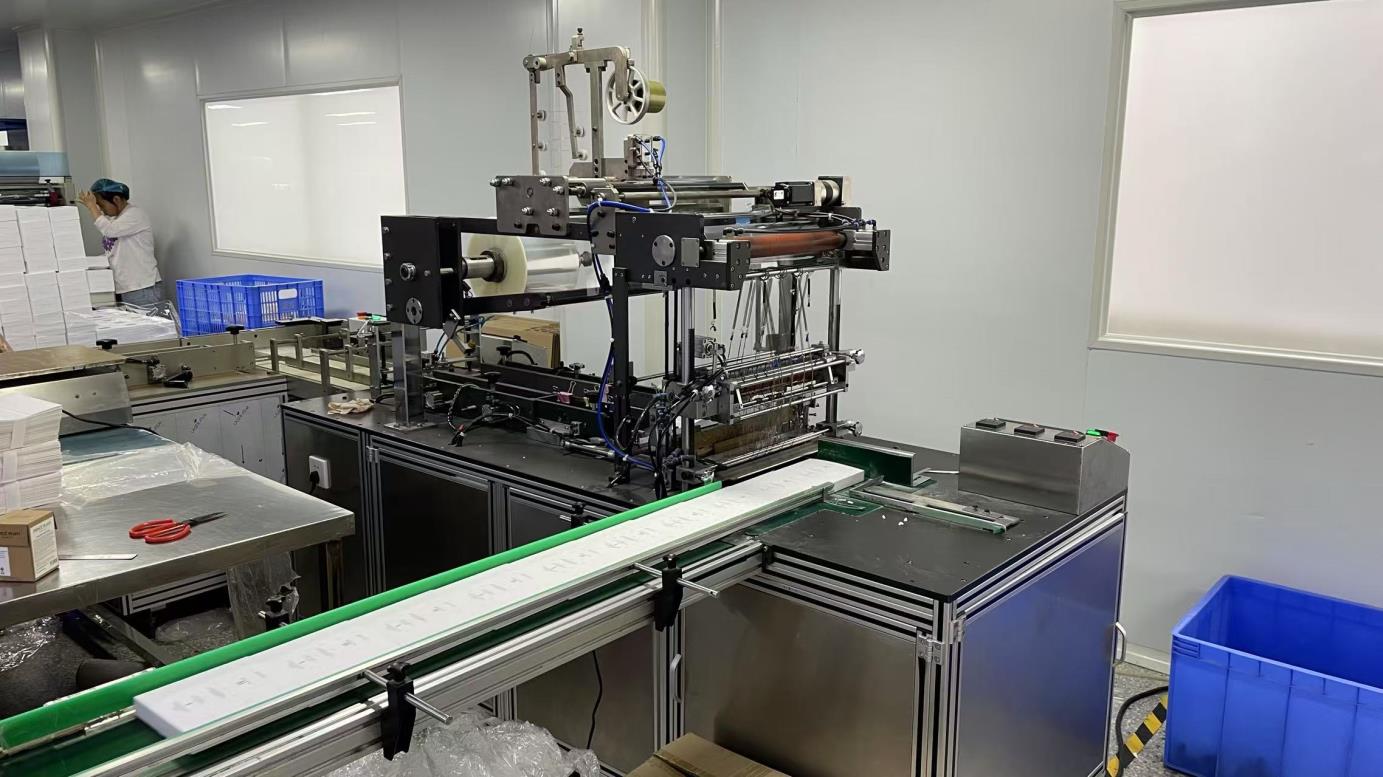
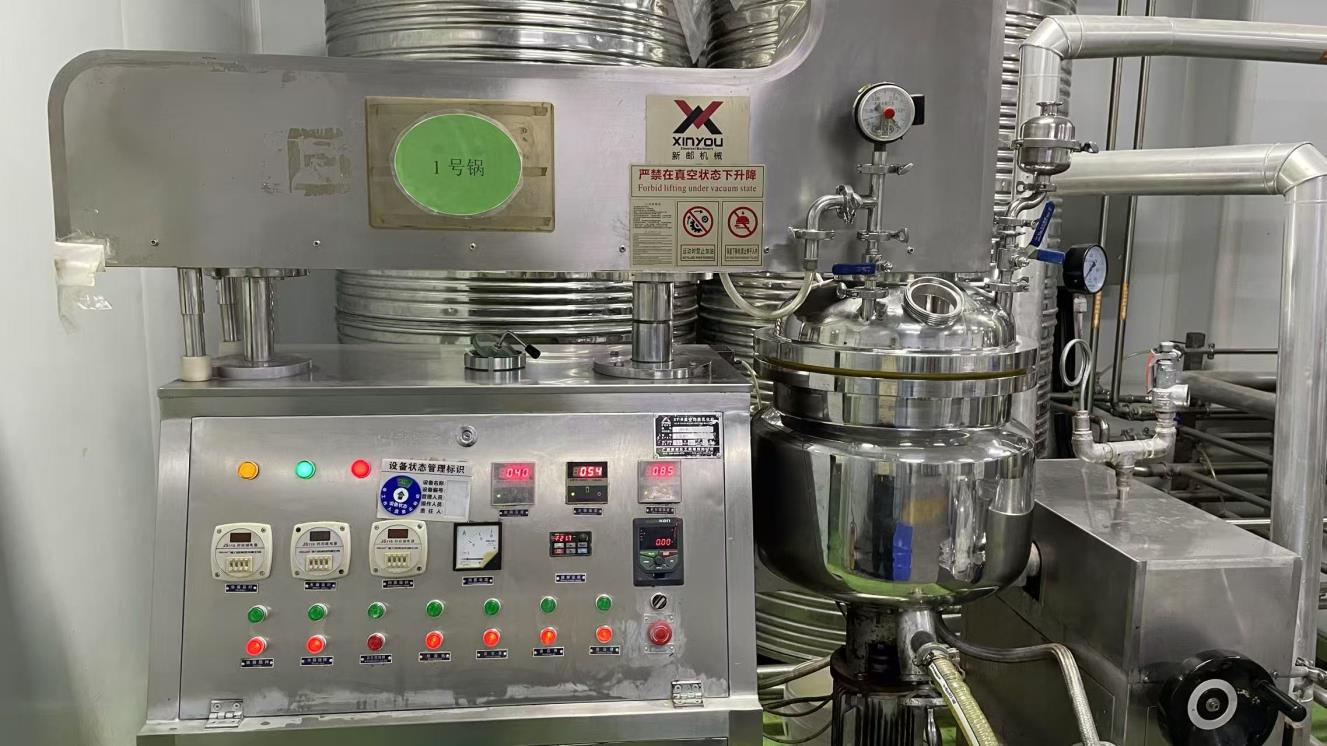
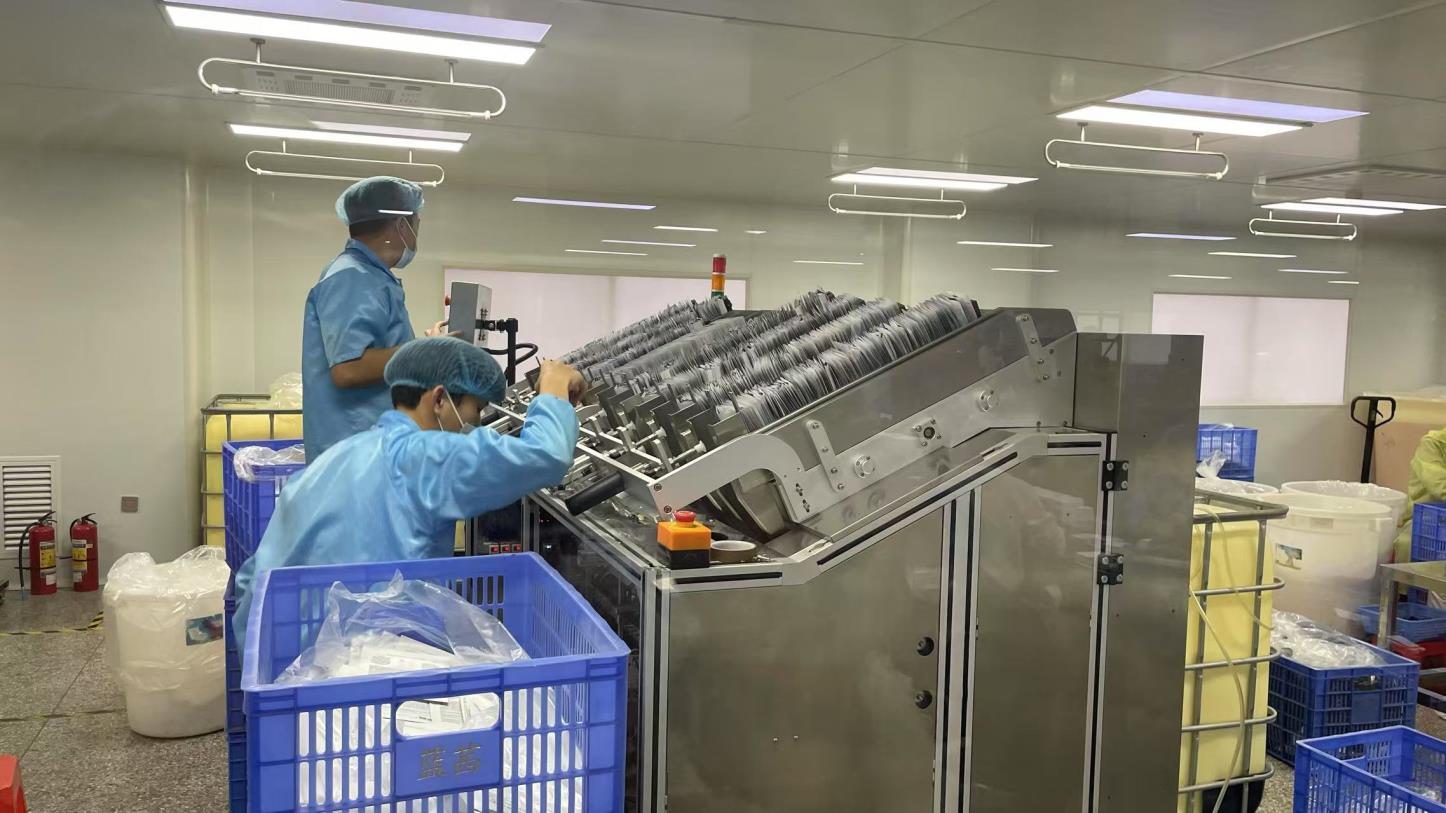
Adapting clinical applications for high-temperature, high-humidity, and UV-intensive Pacific Island conditions.
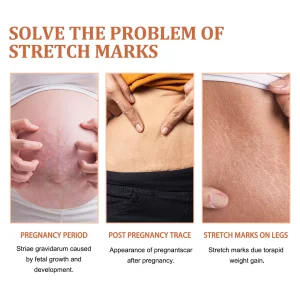
Clinical Challenge: Post-pregnancy abdominal distension resulting in deep striae rubrae (red stretch marks) and striae albae (white stretch marks).
Combined Protocol: Use fractional RF micro-needles (such as the Morpheus 8 system) to deliver energy at depths of 2.0mm to 3.0mm, followed by immediate application of Exosome stem cell powder. This combination enhances transdermal drug delivery and accelerates dermis recovery. Maintain the barrier using Medical-Grade Scar patches to prevent friction and moisture loss.
Clinical Challenge: Elevated risk of hyperplastic scar growth and keloids in Pacific Island populations after skin injury.
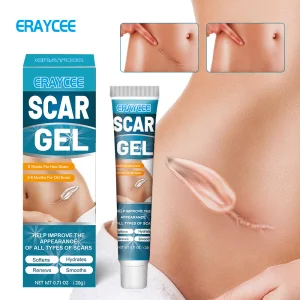
Combined Protocol: Following wound closure, apply Eraycee Scar Lightening Gel. If hypertrophic tissue persists, use fractional CO2 laser ablation in micro-energy modes. Immediate post-laser application of PDRN (Salmon DNA) helps suppress the inflammatory factors that drive keloid production.
Our globally exported, medical-grade products are optimized for professional scar revision and skin rejuvenation.
Melanesian skin has active melanocytes that respond strongly to heat, which can lead to post-inflammatory hyperpigmentation (PIH). Fractional technologies (like RF Microneedles or fractional CO2 lasers) create small, targeted treatment zones surrounded by healthy tissue. This design speeds up healing and reduces the risk of pigment changes, making it safer for skin types prone to scarring.
High humidity slows down the drying time of heavy silicone products. This is why we formulate our products (like Eraycee Scar Lightening Gel) with fast-drying, lightweight silicones. They create a breathable barrier that keeps the skin hydrated without clogging pores or causing secondary breakouts in warm climates.
We build our machines (like the 60W CO2 Fractional Laser) to support 220V/240V at 50Hz, matching Vanuatu's power grid. We also include built-in voltage protection to protect the equipment from local power fluctuations.
Yes. Our biological products, including Exoxe Exosome and Otesaly PDRN, use freeze-dried powder technology. This design helps the products remain stable during transit. For shipping to tropical areas like Vanuatu, we use insulated packaging and cold-chain air cargo options to keep the ingredients fresh.
We provide full OEM/ODM services, including custom tube labeling, custom packaging, and formulation changes. For tropical markets, we can adjust the thickness and absorption rates of creams to suit local climate preferences.
 Menuka Medical