2026 Top Guide Why Is My Skin Peeling After Retinol?

Time:2026-10-27 Author:Sophia
0%

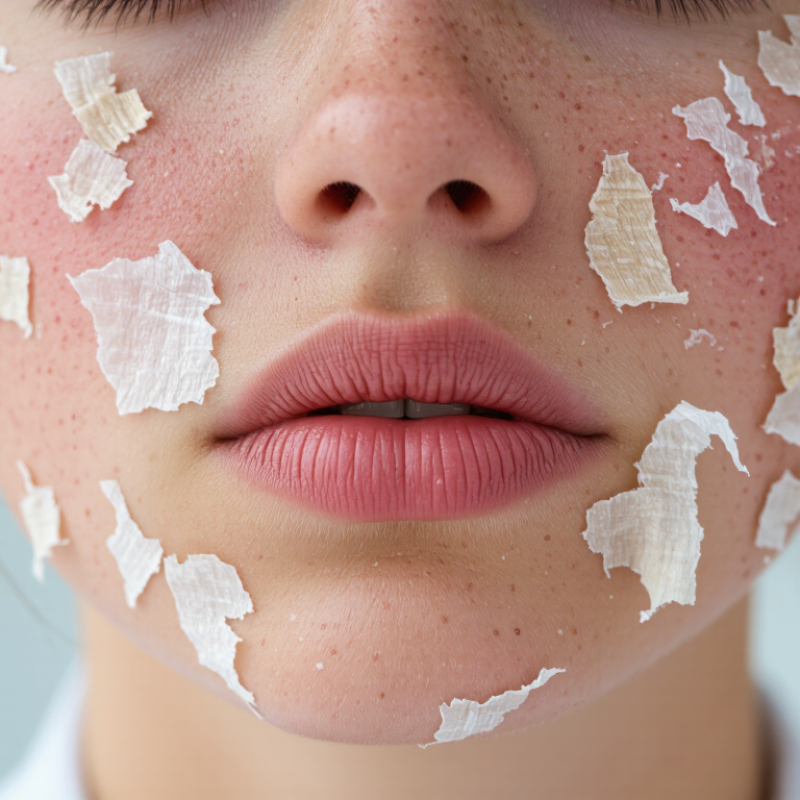
If you are asking, “why is my skin peeling after using retinol,” your skin may be reacting to increased cell turnover or irritation. Retinol can loosen old surface cells, revealing smoother skin underneath. However, peeling may also signal overuse, a weakened skin barrier, or an unsuitable formula.

Board-certified dermatologist Dr. Joshua Zeichner has explained, “Retinol can cause irritation, redness, and peeling, especially when first starting treatment.” This reaction often appears around the nose, mouth, and cheeks. Small flakes may feel tight or sting when water touches them. That detail matters.

Peeling is not always proof that retinol is working better. More irritation does not automatically create faster results. Applying retinol nightly, using too much product, or combining it with exfoliating acids can intensify dryness. Cold air, hot showers, and harsh cleansers may worsen the problem.

This guide examines the most common reasons behind retinol peeling. It also explains how to adjust application, protect your moisture barrier, and recognize warning signs. A pea-sized amount is usually enough for the whole face. Start slowly. Skin needs time.

A bland moisturizer, gentle cleanser, and daily sunscreen can support recovery. Avoid picking flakes, even when they feel impossible to ignore. If burning, swelling, cracking, or persistent redness develops, pause retinol and seek advice from a qualified dermatologist. Individual skin history changes the answer, so general tips cannot replace professional evaluation.
2026 Top Guide Why Is My Skin Peeling After Retinol?

What Retinol Does to Skin and Why Peeling Can Occur

Retinol is a vitamin A derivative that encourages faster skin-cell turnover. Once applied, it binds to receptors in the skin and influences how cells develop. This process can reveal fresher skin, but it may also temporarily weaken the outer barrier. Peeling occurs when the barrier loses moisture and becomes irritated. Dry flakes, tightness, and mild redness may follow. Peeling does not automatically mean the product is working better.

A common mistake is using too much too soon. Applying a pea-sized amount to completely dry skin can reduce unnecessary irritation. Begin with two nights per week, then increase slowly if your skin remains comfortable. Use a gentle moisturizer before or after retinol. Daily broad-spectrum sunscreen also matters, because irritated skin can react more strongly to sunlight. Avoid scrubs, strong exfoliating acids, and harsh cleansers during the adjustment period.

Watch the details. Mild flaking may improve within several weeks, but burning, swelling, cracking, or painful redness suggests a stronger reaction. Stop retinol and seek advice from a qualified dermatologist if these symptoms persist. Pregnancy, eczema, rosacea, or very sensitive skin may require individualized guidance. The routine sounds simple, yet many people overcorrect by rubbing away every visible flake. That can deepen irritation. Skin care is not perfectly predictable; even a careful routine may need slower timing, more moisturizer, or a complete pause.

How to Distinguish Normal Adjustment From Skin Damage

Mild peeling after retinol can reflect normal adjustment, especially during the first few weeks. The skin may feel tight, dry, or slightly flaky around the nose and mouth. The American Academy of Dermatology notes that retinoids commonly cause dryness, redness, and irritation during early use. Start slowly. Use a pea-sized amount twice weekly, then increase only when your skin remains comfortable.

Damage looks different. Burning, swelling, cracking, bleeding, or persistent redness are warning signs. Pain that continues after cleansing is not a useful “purge.” Neither is peeling that spreads across the face. The U.S. Food and Drug Administration warns that topical acne treatments can cause severe irritation, including burning and swelling, requiring discontinuation and medical advice. Retinol is milder than prescription retinoids, but irritation still deserves respect.

A 2022 systematic review in the International Journal of Dermatology found that topical retinoids improve photoaging, while irritation remains a frequent limitation. That trade-off matters. Pause retinol, apply a bland moisturizer, and use broad-spectrum sunscreen daily. Avoid scrubs, acids, and hot water until the barrier settles. I would not label every flaky patch “purging”; that explanation is often overused. If symptoms last more than several days, worsen, or involve swelling near the eyes, consult a dermatologist. Your skin should feel supported, not punished.

Common Factors That Can Make Retinol Peeling Worse

Why Is My Skin Peeling After Retinol?

Retinol peeling often worsens when several irritants overlap. Applying it nightly can overwhelm an unprepared skin barrier. Damp skin may also increase penetration and stinging. Strong cleansers, scrubs, alcohol-heavy products, and frequent exfoliating acids add friction. Cold air and indoor heating can remove more moisture.

A 2023 systematic review in the International Journal of Dermatology linked topical retinoid irritation with higher exposure, frequent use, and weaker barriers. The American Academy of Dermatology advises starting every other night and using a pea-sized amount. One mistake is treating every flake as proof that retinol is working. Peeling is irritation, not guaranteed progress. Combining retinol with benzoyl peroxide or exfoliating acids may make redness and tightness worse. Sensitive or eczema-prone skin needs extra caution.

Tips: Use a gentle cleanser, then let your face dry fully. Apply a small amount over moisturizer if needed. Reduce use to two nights weekly during recovery. Avoid scrubs and acids temporarily. A bland moisturizer can soften visible flakes without rubbing them away. Daily broad-spectrum sunscreen also matters, because irritated skin is more vulnerable to sunlight. Stop using retinol and seek dermatology advice if swelling, blistering, persistent burning, or painful cracking develops.

Step-by-Step Care for Skin Peeling After Retinol

Peeling after retinol usually signals irritation, not proof that the product is “working harder.” Retinoids speed cell turnover and may weaken the skin barrier when introduced too quickly. The American Academy of Dermatology’s 2024 acne guidelines support gradual use and moisturizer to improve tolerability. Clinical reviews also identify dryness, scaling, and redness as common topical retinoid reactions. Stop and reset.

For the next few days, cleanse with lukewarm water and a gentle, fragrance-free cleanser. Pat dry; never pull loose flakes. Apply a bland moisturizer while skin remains slightly damp. During the day, use broad-spectrum SPF 30 or higher, consistent with AAD guidance. Avoid exfoliating acids, scrubs, strong toners, and waxing. When burning stops, restart with a pea-sized amount twice weekly. Increase slowly only when your skin stays calm. I often see people restart too soon. That impatience can undo several healing days.

Tips: Apply moisturizer before retinol if your skin is sensitive. Keep it away from nostrils, eyelids, and cracked corners. Photograph the area every few days; memory can mislead you. FDA prescribing information advises reducing frequency or pausing treatment during severe irritation. Seek a qualified dermatologist for swelling, blistering, severe pain, oozing, or persistent peeling.

2026 Top Guide: Why Is My Skin Peeling After Retinol? — Step-by-Step Care for Skin Peeling After Retinol

Practical reference for understanding and caring for retinol-related peeling
Topic What It Usually Means Common Signs Recommended Action Typical Time Frame
Why peeling happens Retinol can increase skin-cell turnover and may temporarily irritate the skin barrier, especially when treatment is started or intensified. Flaking, tightness, mild dryness, sensitivity, or light stinging after application. Reduce irritation triggers, use a gentle cleanser, apply a fragrance-free moisturizer, and pause retinol until the skin feels comfortable. Often occurs during the first several weeks, but individual responses vary.
Mild peeling Usually manageable Small flakes, mild dryness, little or no redness, and no significant pain. Cleanse with lukewarm water, moisturize regularly, avoid scrubs, and restart retinol less often only after the skin has recovered. May improve within several days after reducing use and supporting the skin barrier.
Moderate irritation Needs a break Noticeable redness, burning, persistent tightness, increased sensitivity, or peeling in larger areas. Stop retinol temporarily. Avoid exfoliating acids, facial scrubs, waxing, hot water, and other potentially irritating products. Use a bland moisturizer. Allow the skin to settle before resuming; recovery can take one to two weeks or longer.
Severe reaction Seek medical advice Significant swelling, blistering, intense pain, oozing, spreading rash, hives, or symptoms involving the eyes or lips. Stop using the product and contact a healthcare professional promptly. Seek urgent care for breathing difficulty or rapidly developing facial swelling. Requires individualized assessment; do not restart without appropriate guidance.
Step 1: Pause retinol Continued exposure can prolong irritation while the barrier is compromised. Peeling continues or becomes worse after each application. Take a temporary break until there is no active peeling, significant redness, or stinging with basic moisturizer. There is no fixed universal duration; skin comfort should guide reintroduction.
Step 2: Cleanse gently Harsh cleansing can remove protective oils and increase dryness. Skin feels tight or squeaky after washing. Use a mild, non-abrasive cleanser and lukewarm water. Pat dry rather than rubbing the skin. Use during every cleansing routine while irritation is present.
Step 3: Restore moisture Hydration and barrier-supportive moisturization can reduce tightness and flaking. Rough texture, dryness, or discomfort when smiling or moving the face. Apply a fragrance-free moisturizer to slightly damp skin. A thicker cream may be more comfortable than a lightweight lotion. Apply as needed, commonly at least twice daily during recovery.
Step 4: Protect from sunlight Irritated skin can be more uncomfortable with ultraviolet exposure, and sun exposure may worsen discoloration after inflammation. Increased sensitivity, redness after outdoor exposure, or dark marks following irritation. Use broad-spectrum sunscreen with SPF 30 or higher, reapply as directed, and add shade, clothing, or a hat. Daily, including during the recovery period.
Products to avoid temporarily Combining several active or abrasive treatments can intensify irritation. Burning or redness after using exfoliants or treatment products. Temporarily avoid exfoliating acids, scrubs, strong acne treatments, fragranced products, alcohol-heavy formulas, and facial waxing. Wait until the skin is calm and resilient before gradually reintroducing products.
Restarting retinol Lower frequency and a smaller amount may improve tolerability. Skin is comfortable, no longer actively peeling, and moisturizer does not sting. Restart with a pea-sized amount on completely dry skin one or two nights per week. Increase slowly only if tolerated. Increase frequency gradually over several weeks rather than nightly from the start.
Application technique Reducing contact with sensitive areas can limit irritation. Peeling is concentrated around the nose, mouth, eyelids, or corners of the eyes. Avoid eyelids, lips, nostril creases, and broken skin. Apply moisturizer before retinol if extra buffering is needed. Use this approach whenever retinol is applied.
When to consult a professional Persistent or severe symptoms may indicate more than ordinary adjustment irritation. Symptoms do not improve after stopping, repeatedly return, or interfere with daily activities. Consult a dermatologist or other qualified healthcare professional for diagnosis and a personalized treatment plan. Seek advice promptly for severe, spreading, or recurrent reactions.
Pregnancy and breastfeeding Retinoid safety requires specific medical consideration. Use of retinol during pregnancy, possible pregnancy, or breastfeeding. Ask a qualified healthcare professional whether retinol should be avoided and which alternatives are appropriate. Obtain guidance before starting or continuing treatment.
Important: Mild flaking can occur when beginning retinol, but severe pain, swelling, blistering, oozing, hives, or breathing difficulty is not typical peeling and requires medical attention.

How to Restart Retinol Safely and Prevent Further Peeling

Why Is My Skin Peeling After Retinol?

How to Restart Retinol Safely and Prevent Further Peeling

Peeling usually means your skin barrier is struggling with retinol, dryness, or both. The American Academy of Dermatology recommends starting with a low-strength retinoid and applying it every other night. Use only a pea-sized amount for the entire face. More product will not produce faster results. It may create more redness.

Pause retinol until your skin feels calm. Wash with lukewarm water, then apply a fragrance-free moisturizer while the skin is slightly damp. Avoid scrubs, exfoliating acids, alcohol-heavy toners, and facial waxing during this reset. After several comfortable days, restart once weekly. Apply moisturizer first if your skin reacts easily. Keep the product away from the corners of your nose, lips, and eyelids.

Go slowly. That matters.

If peeling returns, reduce frequency again. A 2023 clinical review in Clinical Interventions in Aging describes retinoid irritation as dose- and frequency-dependent, so tolerance often improves through gradual exposure. The AAD recommends broad-spectrum sunscreen with SPF 30 or higher because retinoid-treated skin can become more sensitive to sunlight. Reapply after sweating or outdoor activity. I would not treat peeling as proof that retinol is working. That assumption is common, but it can delay barrier repair. Persistent burning, swelling, cracking, or painful rash deserves evaluation by a qualified dermatologist.

FAQS

Why does my skin peel after using retinol?

Peeling often means your skin barrier is struggling with retinol, dryness, or both. The skin may feel tight and flaky.

Is mild peeling normal during retinol adjustment?

Mild flaking near the nose or mouth can occur during the first few weeks. It should remain manageable and gradually improve.

Which symptoms suggest skin damage instead of normal adjustment?

Burning, swelling, cracking, bleeding, or persistent redness are warning signs. Pain after cleansing is not normal adjustment.

Should I continue retinol while my skin is peeling?

Pause retinol until your skin feels calm. Apply a gentle moisturizer to slightly damp skin. Do not force the process.

How should I restart retinol after irritation?

Restart once weekly after several comfortable days. Use a pea-sized amount for your entire face. Go slowly.

How can I reduce peeling during recovery?

Use lukewarm water and a fragrance-free moisturizer. Avoid scrubs, exfoliating acids, harsh toners, hot water, and facial waxing.

Where should I avoid applying retinol?

Keep it away from your eyelids, lip edges, and nose corners. These areas often become irritated more quickly.

Does more retinol produce faster results?

No. More product may increase redness and peeling without improving results faster. A pea-sized amount is enough.

Should I use sunscreen while applying retinol?

Use broad-spectrum sunscreen with SPF 30 or higher each day. Reapply after sweating or outdoor activity.

When should I seek professional advice?

Consult a qualified dermatologist if symptoms worsen, last several days, or involve eye-area swelling. Persistent burning needs attention.

Conclusion

Retinol can speed up skin cell turnover, helping improve uneven texture, fine lines, and breakouts. However, this process may temporarily weaken the skin barrier, leading to dryness, flaking, tightness, or mild redness. If you are wondering, “why is my skin peeling after using retinol,” the cause may be normal adjustment, especially when starting treatment or increasing frequency. Mild peeling without severe discomfort is often temporary, while intense burning, swelling, cracking, or persistent redness may signal skin damage or irritation.

This guide explains the common factors that can worsen peeling, including using too much retinol, applying it too often, combining it with harsh exfoliants, or exposing unprotected skin to sunlight. It also outlines practical care steps, such as pausing retinol, using a gentle cleanser, moisturizing regularly, and protecting the skin from UV exposure. Once the skin recovers, retinol can be restarted gradually with a smaller amount and fewer applications, helping reduce future irritation and support a healthier skin barrier.

Sophia

Sophia

Sophia is a dedicated marketing professional with an exceptional depth of knowledge about her company's products and services. With a keen understanding of market trends and customer needs, she crafts insightful blog posts that not only inform but also engage readers, enriching the company’s online......