Eczema can be challenging for both toddlers and their parents. When flare-ups occur, it’s crucial to know how to soothe eczema flare ups on toddlers effectively. Caring for a child's skin requires patience and understanding, as symptoms can cause discomfort.
Many parents feel overwhelmed when they see their child struggling with itchy, red patches. It’s important to approach the situation with compassion. You are not alone in this journey. The right knowledge can empower you to provide relief. Factors such as temperature, moisture, and allergens play a significant role in managing eczema.
The following sections will explore ten effective methods to help soothe your toddler's flare-ups. Each tip will provide insight and practical advice, so you feel more confident addressing this common issue. Remember, every child is unique, and what works for one may not work for another. Adjusting your strategy based on your toddler’s individual needs is key.
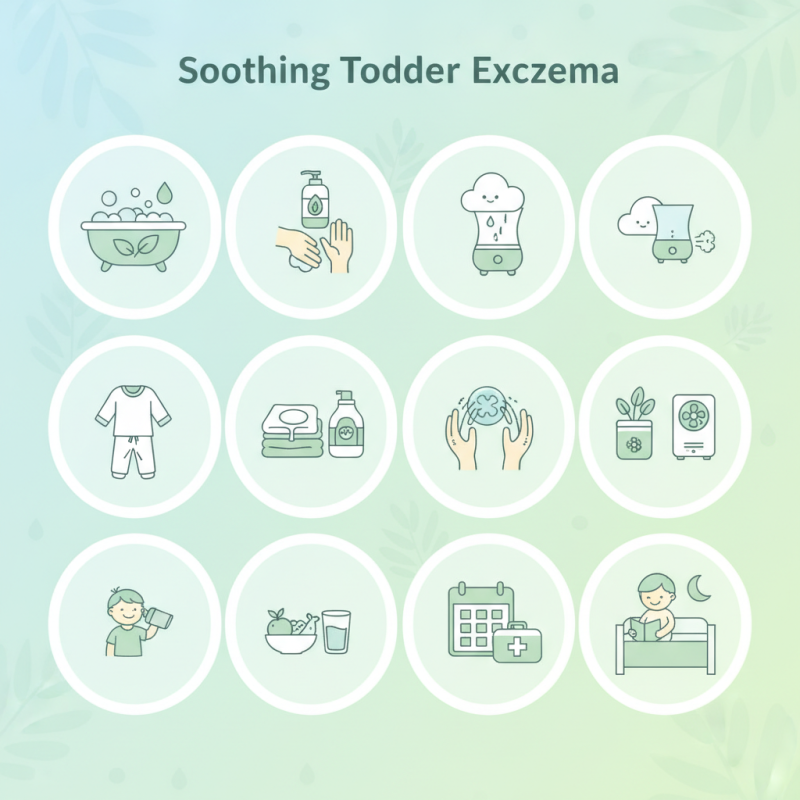
Eczema in toddlers is a common condition that can be distressing for both the child and the parents. This skin disorder often appears as dry, red patches on the skin. Rashes can be itchy and uncomfortable. Symptoms may vary widely, making it essential to observe any changes closely.
To soothe eczema flare-ups, moisturizing is crucial. Use a fragrance-free moisturizer daily to keep the skin hydrated. This simple step can prevent dryness and reduce irritation. Make sure to apply the moisturizer immediately after bathing while the skin is still damp.
Another tip is to minimize potential triggers. Common irritants include certain soaps, fabrics, and even temperature changes. Dress your toddler in breathable fabrics, like cotton, to avoid overheating. Parents should keep a diary of flare-ups to identify patterns and triggers.
Creating a calming bedtime routine can also help. Bathing before bed with lukewarm water can relax your toddler. Adding baking soda or oatmeal can ease itching. Remember, eczema management can be trial and error, requiring adjustments based on your child’s unique needs.
Eczema flare-ups in toddlers can be distressing for both children and parents. Understanding common triggers is key to managing these episodes. Research indicates that nearly 30% of children with eczema experience flare-ups due to allergens such as dust mites, pollen, and pet dander. A study by the American Academy of Dermatology highlights that avoiding these allergens can significantly reduce flare-up frequency.
Certain food allergies may also play a role. Milk, eggs, and peanuts are often culprits. According to the National Eczema Association, about 40% of kids with eczema face food allergies. Parents should watch for reactions when introducing new foods. Keeping a food diary may help identify specific triggers.
Environmental factors often worsen this condition. Low humidity can dry out skin and lead to irritation. A report from the British Journal of Dermatology states that a humidifier can help maintain optimal skin moisture levels. Additionally, stress can heighten eczema symptoms. Tracking stressful events can provide insight into patterns that may emerge during flare-ups.
This bar chart illustrates the most common triggers of eczema flare ups in young children, highlighting the significant impact of various environmental and biological factors.
Eczema in toddlers can be challenging. A good skincare routine is essential to reduce discomfort. According to the American Academy of Dermatology, about 20% of children in the U.S. are affected by eczema. This skin condition can lead to itching and irritation. A consistent daily routine may help in managing these symptoms effectively.
Start with a gentle cleanser. Opt for products that are fragrance-free and hypoallergenic. Bathe your toddler in lukewarm water, not hot. Limit bath time to about 10 minutes. After bathing, gently pat the skin dry with a soft towel. This allows the moisture to absorb better. Immediately apply a thick, fragrance-free moisturizer. Dermatologists recommend using ointments or creams rather than lotions. These products create a protective barrier on the skin.
Consider using a humidifier in your child's room. This can help add moisture to the air, especially in dry seasons. Additionally, dress your toddler in loose-fitting, breathable clothing. Fabrics like cotton are less likely to irritate the skin. Pay attention to their triggers, such as certain foods or environmental factors. Keeping a skin diary may help identify patterns. This approach can provide insights for better management of eczema flare-ups.
Eczema in toddlers can be a distressing experience for both the child and parents. Thankfully, there are effective home remedies to help soothe flare-ups. One option is oatmeal baths. Colloidal oatmeal can reduce itching and inflammation. Simply add it to a warm bath and let your little one soak for 10 to 15 minutes. The soothing properties can provide immediate relief.
Keeping the skin moisturized is crucial. Use a fragrance-free moisturizer right after baths. This creates a barrier that locks in moisture. For some, natural oils like coconut oil can work wonders. They act as emollients and help repair the skin barrier. However, every child’s skin is different, and not all oils are suitable. It’s essential to watch for any reactions.
Additionally, cold compresses can be helpful for immediate itch relief. Apply a damp, cool cloth directly to the affected area for a few minutes. This can make a noticeable difference. However, monitor your child closely to ensure that the skin does not worsen after these treatments. Each method requires observation and adjustment to find the best fit for your toddler.
| Home Remedy | Description | Benefits | Usage Tips |
|---|---|---|---|
| Oatmeal Baths | Adding colloidal oatmeal to bath water | Soothes skin, reduces itching | Soak for 15-20 minutes, rinse with warm water |
| Coconut Oil | Natural moisturizer with anti-inflammatory properties | Helps to retain moisture in the skin | Apply after bathing and throughout the day as needed |
| Baking Soda Compress | Soaking cloth in baking soda and water solution | Reduces itching and inflammation | Apply for 10-15 minutes on affected areas |
| Aloe Vera Gel | Natural soothing agent | Calms irritated skin and speeds healing | Apply directly to affected areas as needed |
| Unscented Moisturizers | Thick creams or ointments | Locks in moisture and protects skin barrier | Apply generously after bathing and during the day |
| Honey | Natural humectant with antibacterial properties | Hydrates skin and prevents infection | Apply a thin layer to affected areas |
| Psyllium Husk | Natural fiber that forms a soothing gel | Provides relief and improves skin hydration | Mix with water, apply to skin, and rinse after 10 minutes |
| Cool Compresses | Cold, wet cloths applied to itchy areas | Reduces itching and inflammation | Apply for 5-10 minutes, as needed |
| Chamomile Tea Soaks | Adding brewed chamomile tea to baths | Anti-inflammatory and soothing effects | Use cooled tea in bath water for 15-20 minutes |
| Keep a Moisture Routine | Regular application of moisturizers | Prevents flare-ups by maintaining skin hydration | Moisturize multiple times a day, especially after bathing |
Eczema flare-ups in toddlers can be distressing. Parents often wonder when to seek professional help. Understanding the right time is crucial for your child's health. If your toddler's eczema shows no signs of improvement after several days of home treatment, consult a pediatrician. Persistent rashes should not be ignored.
Watch for signs like increased redness, swelling, or blistering. If your child experiences intense itching that disrupts their sleep, seek medical advice. These symptoms may indicate a secondary infection. It’s also essential to consider if over-the-counter creams stop working or if new symptoms arise.
Emotional well-being matters too. If your toddler seems overly irritable or anxious because of their eczema, talk to a healthcare professional. The stress of flare-ups can impact their overall mood. It is important to address both physical and emotional aspects of eczema. Your observations can guide healthcare providers in creating effective treatment plans.
: Common allergens include dust mites, pollen, and pet dander. Avoiding these may reduce flare-ups.
Foods like milk, eggs, and peanuts often trigger flare-ups. One in four children with eczema has such allergies.
Keeping a food diary helps identify potential triggers. Pay attention to any reactions after introducing new foods.
Low humidity can dry skin, leading to irritation. Consider using a humidifier to maintain moisture levels.
Oatmeal baths can soothe itching. Also, applying a fragrance-free moisturizer can help lock in moisture after baths.
If rashes persist after several days, consult a pediatrician. Seek help for increased redness or intense itching as well.
If your child is irritable or anxious due to eczema, discuss this with a healthcare professional. Emotional health matters.
Applying a cool, damp cloth can provide immediate itch relief. Monitor skin reactions afterward to ensure it's effective.
Natural oils, like coconut oil, may help repair the skin barrier. However, watch for any adverse reactions closely.
Look for increased swelling, blistering, or intense itching disrupting sleep. These symptoms may require medical attention.
Eczema in toddlers can be a challenging condition for both children and parents. Understanding eczema's symptoms and common triggers is crucial for effectively managing flare-ups. In particular, knowing how to soothe eczema flare ups on toddlers involves establishing a consistent daily skincare routine that includes gentle cleansing and moisturizing. Additionally, identifying and avoiding common triggers such as certain fabrics, allergens, and temperature changes can significantly reduce discomfort.
Home remedies, such as oatmeal baths and natural moisturizing agents, may offer relief, providing a soothing effect on irritated skin. However, if home measures fail to alleviate symptoms or the flare-ups worsen, it’s important to seek professional help. Overall, a combination of preventive strategies and timely interventions can help ease the challenges of managing eczema in young children.

Menuka Medical