How to Prevent Skin Aging from Sun Damage Naturally

Time:2026-09-17 Author:Henry
0%

Sunlight can brighten a morning, yet repeated ultraviolet exposure quietly changes the skin. Fine lines may appear around the eyes, while freckles, uneven tone, and rough texture become more noticeable. These changes often develop slowly, so prevention is easy to postpone. That is why understanding how to prevent skin aging from sun damage matters before visible signs become difficult to manage.

A practical approach begins with daily habits, not expensive products. Seek shade when sunlight is strongest, wear a wide-brimmed hat, and choose tightly woven clothing. Apply a broad-spectrum sunscreen with SPF 30 or higher, then reapply after swimming, sweating, or prolonged outdoor activity. Dermatologists commonly recommend these measures because UVA and UVB rays can affect skin throughout the year. Natural protection can also include antioxidant-rich foods, adequate sleep, and avoiding intentional tanning. Still, diet alone cannot replace sunscreen.

No routine is perfect. Many people forget their ears, neck, hands, or the part in their hair. I have noticed that prevention becomes easier when sunscreen stays beside the toothbrush or door. That small reminder may matter more than an elaborate regimen. Sensitive skin may react to certain ingredients, and persistent pigmentation or changing spots deserve professional evaluation. A dermatologist can assess individual risks, medications, and skin type. The goal is not to stop enjoying the outdoors. It is to build realistic protection that your future skin will appreciate.
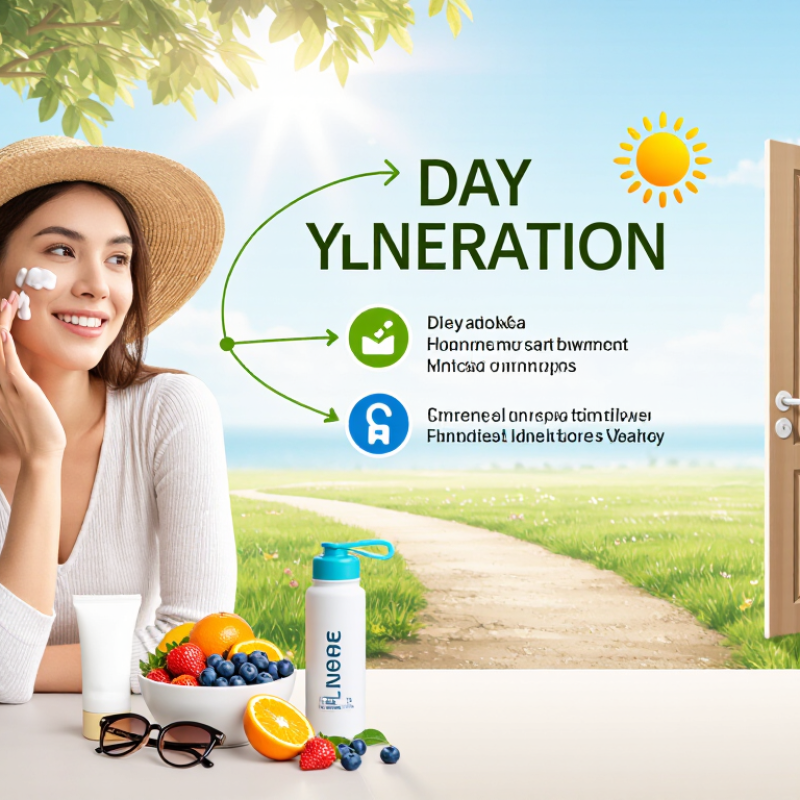
How to Prevent Skin Aging from Sun Damage Naturally

How Sunlight Accelerates Skin Aging

Sunlight accelerates skin aging mainly through ultraviolet radiation. UVA rays reach deeper skin layers and weaken collagen and elastin. These proteins keep skin firm and flexible. UVB rays damage the surface and cause sunburn. Both types can trigger inflammation and oxidative stress.

Over time, repeated exposure may create fine lines, uneven pigmentation, rough texture, and persistent dryness. The damage often builds quietly. A short walk, a bright office window, and daily driving can all add exposure. In clinical guidance, prevention focuses on shade, tightly woven clothing, wide-brimmed hats, and broad-spectrum sunscreen. Reapply sunscreen after sweating or swimming. Natural measures help, but they cannot block every ultraviolet ray.

Skin also benefits from enough water, colorful vegetables, nuts, and protein-rich foods. These choices support normal repair, although they cannot erase established sun damage. I have noticed that people often protect their face but forget their neck, ears, and hands. That habit needs reconsideration. Sun protection should continue on cloudy days because UVA can pass through clouds. It should also continue during winter, especially near reflective surfaces such as snow or water. Do not wait for visible wrinkles. The skin may be changing before the mirror shows it.

How Sunlight Accelerates Skin Aging

UVA makes up most of the ultraviolet radiation that reaches the Earth's surface and penetrates deeply into the dermis, where it contributes to collagen breakdown, wrinkles, and loss of elasticity. UVB primarily affects the epidermis and is the main cause of sunburn and direct DNA damage.

Natural prevention: Seek shade, wear protective clothing and a wide-brimmed hat, and avoid intense midday sunlight. Broad-spectrum sunscreen helps reduce exposure to both UVA and UVB.

Radiation proportions and wavelength ranges based on environmental health guidance from the U.S. Environmental Protection Agency and the World Health Organization.

Daily Habits That Reduce UV Exposure

Sun damage often builds quietly. Fine lines deepen, freckles darken, and skin loses firmness over time. The World Health Organization identifies ultraviolet radiation as a major cause of premature skin aging. Daily protection matters more than occasional intensive care.

I check the UV Index before leaving home. On high-index days, I walk on shaded streets and avoid direct sunlight around midday. A wide-brimmed hat protects my forehead, ears, and neck. Tightly woven, long-sleeved clothing helps cover exposed skin. Sunglasses also reduce ultraviolet exposure around the eyes. The WHO Global Solar UV Index recommends using shade and protective clothing when UV levels are strong.

For uncovered areas, dermatologists recommend broad-spectrum sunscreen with SPF 30 or higher. The American Academy of Dermatology advises applying enough product and reapplying every two hours. Reapply sooner after sweating or swimming. I keep sunscreen near my keys, because visible reminders work better than good intentions. Windows block much UVB, but some UVA can pass through glass, according to the Skin Cancer Foundation. Curtains or window films may help during long drives or desk hours. I still forget sometimes. That is the weak point in my routine. A practical habit is better than a perfect plan abandoned after one week. Fresh fruit, vegetables, water, and adequate sleep support skin health, but they cannot replace UV protection.

Natural Skin Care for Sun-Damaged Skin

Natural skin care for sun-damaged skin begins with reducing further ultraviolet exposure. The American Academy of Dermatology reports that up to 80% of visible skin aging may result from ultraviolet radiation. Daily shade, tightly woven clothing, sunglasses, and a broad-spectrum mineral sunscreen can slow this process. Zinc oxide and titanium dioxide are practical options for sensitive skin. Reapply every two hours outdoors, especially after swimming or sweating.

Gentle care matters. Wash with lukewarm water, then apply a fragrance-free moisturizer while skin remains slightly damp. Products containing aloe vera, colloidal oatmeal, or green tea may calm dryness and redness, although they cannot erase deep wrinkles. A varied diet with colorful vegetables, beans, nuts, and fruit supports normal skin function. It is not a magic repair plan. I once underestimated how quickly unprotected hands developed rough patches during short daily drives.

Tips: Seek shade between 10 a.m. and 2 p.m. Avoid lemon juice and undiluted essential oils; sunlight can trigger irritation and dark marks. Take monthly photos of changing spots. A dermatologist should examine bleeding, rapidly changing, or uneven lesions. The World Health Organization identifies cumulative ultraviolet exposure as a major preventable risk for skin damage, so small habits deserve consistency. Even cloudy days count.

How to Prevent Skin Aging from Sun Damage Naturally - Natural Skin Care for Sun-Damaged Skin

Sun-Damage Prevention Area Evidence-Based Information Natural or Low-Processing Approach Practical Use
Broad-spectrum UV protection UVA contributes to premature skin aging, while UVB is a major cause of sunburn. Broad-spectrum protection helps reduce exposure to both types. Choose a broad-spectrum mineral sunscreen containing zinc oxide or titanium dioxide. “Natural” ingredients alone do not guarantee UV protection. Apply generously to exposed skin before going outdoors, and follow the product’s tested protection instructions.
Sun protection factor A sunscreen labeled SPF 30 filters approximately 97% of UVB when applied correctly. Higher SPF values provide somewhat more UVB protection but do not permit unlimited exposure. Use SPF 30 or higher rather than relying on oils, plant extracts, or homemade sunscreen formulas. Reapply at least every two hours outdoors and after swimming, sweating, or towel drying.
Shade and timing UV intensity is often strongest around the middle of the day, although it varies with season, latitude, altitude, cloud cover, and surroundings. Use trees, umbrellas, covered patios, and other physical shade instead of depending on skincare products alone. Plan outdoor activities outside peak UV periods when practical and check the local UV Index.
Protective clothing Closely woven, darker, and specially rated fabrics generally provide more UV protection than thin, loose, or wet fabrics. Wear long sleeves, long trousers, a wide-brimmed hat, and UV-rated clothing when available. Cover the shoulders, chest, neck, ears, and backs of the hands, which are commonly exposed areas.
Eye and lip protection The lips, eyelids, and skin around the eyes are vulnerable to UV exposure and are often missed during sunscreen application. Use UV-blocking sunglasses, a wide-brimmed hat, and a lip balm with tested broad-spectrum SPF. Reapply lip protection regularly, especially after eating or drinking.
Moisture barrier support Sun exposure can increase dryness, irritation, and temporary barrier disruption. Moisturizers can improve hydration and comfort but cannot reverse UV injury. Use a fragrance-free moisturizer with ingredients such as glycerin, ceramides, or petrolatum. Plant oils may soften skin but can irritate some people. Apply after gentle cleansing, while the skin is slightly damp. Stop products that sting or cause persistent redness.
Antioxidant-rich foods Fruits, vegetables, legumes, nuts, and whole grains provide nutrients that support general health. Dietary antioxidants are not a substitute for topical sun protection. Eat a varied diet containing colorful produce, leafy greens, beans, seeds, and unsalted nuts. Focus on regular dietary patterns rather than high-dose antioxidant supplements unless advised by a qualified healthcare professional.
Topical antioxidant care Some topical antioxidants, including vitamin C and vitamin E formulations, may help reduce oxidative stress, but product stability and formulation affect results. Select a well-formulated, fragrance-free antioxidant product and use it as an addition to sunscreen, not as a replacement. Patch-test first and introduce one new product at a time to monitor irritation.
Avoid untested natural sunblocks Coconut oil, olive oil, shea butter, aloe vera, and essential oils do not provide reliable, tested broad-spectrum protection when used alone. Use botanical ingredients for moisturization or soothing only when tolerated, while relying on tested sunscreen and physical barriers for UV protection. Do not use homemade sunscreen as the sole protection because its SPF, coverage, stability, and water resistance are unknown.
Gentle post-sun care Cooling and moisturizing may relieve discomfort from mild sun exposure, but they do not remove accumulated UV damage. Use cool water, a gentle cleanser, and a plain moisturizer. Avoid scrubs, peeling acids, and fragranced products on irritated skin. Hydrate, avoid additional sun, and allow peeling skin to shed naturally rather than picking it.
When to seek professional advice Persistent rough spots, changing moles, non-healing sores, unusual bleeding, blistering, or severe sunburn require medical assessment. Natural skincare should not delay evaluation of potentially precancerous or cancerous skin changes. Arrange a dermatology review for suspicious or persistent changes, especially after repeated intense sun exposure.

Key principle: The most effective natural-looking routine combines shade, protective clothing, a wide-brimmed hat, sunglasses, and properly applied broad-spectrum sunscreen. No single skincare ingredient can fully prevent or reverse sun-related skin aging.

Nutrients That Support Skin Repair and Protection

How to Prevent Skin Aging from Sun Damage Naturally

Sun exposure creates oxidative stress, which can weaken collagen and slow skin repair. Nutrient-dense meals may help the skin respond better to this daily stress.

Vitamin C supports collagen production and helps defend cells from free-radical damage. Find it in citrus fruits, kiwi, peppers, and broccoli.

Vitamin E helps protect cell membranes, especially when paired with healthy fats. Nuts, seeds, avocado, and olive oil provide useful sources.

Protein supplies amino acids needed for tissue renewal, while zinc and copper support healing processes. Oily fish, beans, eggs, and whole grains can contribute.

Omega-3 fats may also support the skin barrier and calm excessive inflammation. Still, food is not a sunscreen. The evidence is promising, but diet alone cannot prevent sun damage.

Tips:

Add berries and pumpkin seeds to breakfast. Include leafy greens at lunch. Drink water regularly, especially after outdoor activity. Avoid relying on high-dose supplements without professional advice, because more is not always better. A balanced plate usually beats a complicated routine. Wear protective clothing and use broad-spectrum sunscreen when sunlight is strong. This part is easy to overlook.

When to Seek Professional Evaluation for Sun Damage

Sun protection can slow visible aging, but it cannot erase every risk. Use shade during strong midday sunlight, wear a tightly woven hat, and choose long sleeves when practical. Apply broad-spectrum sunscreen with SPF 30 or higher to exposed skin. Reapply after swimming, sweating, or prolonged outdoor activity. Natural care helps, but “natural” does not always mean safer. Lemon juice, essential oils, and untested remedies may irritate skin and worsen discoloration.

Professional evaluation matters when a spot changes quickly or looks unlike your other marks. Watch for uneven color, irregular borders, persistent scaling, bleeding, crusting, or a sore that does not heal within several weeks. Seek medical advice promptly for a new growth, a painful patch, or a rough area that repeatedly returns. These signs may reflect serious sun damage, including precancerous changes, but only a qualified clinician can assess them accurately.

Do not rely on photographs alone. Lighting can hide subtle changes. A dermatologist may examine the skin closely and recommend monitoring, treatment, or a biopsy when necessary. People with frequent sunburns, many moles, a weakened immune system, or a personal history of skin cancer may need regular checks. Even careful prevention is not perfect. Monthly self-checks can help, although they should not replace professional assessment. Note a spot’s size, color, texture, and location, then report meaningful changes rather than waiting for discomfort.

FAQS

Which nutrients may support skin repair after daily sun exposure?

Vitamin C supports collagen production and helps protect cells from oxidative stress. Find it in citrus fruits, kiwi, peppers, and broccoli.

How can vitamin E support skin protection?

Vitamin E helps protect cell membranes, especially with healthy fats. Nuts, seeds, avocado, and olive oil provide useful sources.

Why are protein, zinc, and copper important for skin?

Protein supplies amino acids for tissue renewal. Zinc and copper support healing processes. Eggs, beans, fish, and whole grains can contribute.

Can food replace sunscreen?

No. Food is not sunscreen. A balanced diet may support skin resilience, but it cannot prevent all sun damage.

What simple meals may add helpful nutrients?

Add berries and pumpkin seeds to breakfast. Include leafy greens at lunch. Drink water after outdoor activity, especially on hot days.

Are high-dose supplements necessary for healthier skin?

Not usually. More is not always better. Seek professional advice before using high-dose supplements.

Which sun-protection habits can reduce skin stress?

Use shade during strong midday sunlight. Wear a tightly woven hat and long sleeves. Apply broad-spectrum sunscreen with SPF 30 or higher.

When should a changing skin spot receive professional evaluation?

Seek medical advice for rapid changes, uneven color, irregular borders, bleeding, crusting, or persistent scaling. A sore that does not heal also matters.

Can natural remedies safely treat sun-related discoloration?

Not always. Lemon juice, essential oils, and untested remedies may irritate skin. I might assume “natural” means safer, but that assumption can fail.

How can people monitor their skin at home?

Check monthly and note each spot’s size, color, texture, and location. Photographs can mislead because lighting hides subtle changes. Professional checks remain important.

Conclusion

Sunlight is one of the main causes of premature skin aging because ultraviolet rays break down collagen and elastin, leading to wrinkles, uneven tone, dryness, and loss of firmness. Learning how to prevent skin aging from sun damage begins with simple daily habits, such as seeking shade, wearing protective clothing and a wide-brimmed hat, and avoiding prolonged exposure during the strongest sunlight hours. Consistent use of broad-spectrum sunscreen can also help limit further damage.

For sun-damaged skin, gentle cleansing, regular moisturizing, and soothing ingredients such as aloe vera, green tea, or vitamin-rich plant oils may support the skin barrier. A balanced diet containing colorful fruits, vegetables, healthy fats, protein, and sufficient water can provide nutrients that assist natural skin repair and protection. However, persistent dark spots, rough patches, unusual moles, bleeding, or sores that do not heal should be evaluated by a qualified healthcare professional, since some changes may require prompt medical attention.

Henry

Henry

Henry is a dedicated marketing professional with a profound expertise in the company's offerings. With years of experience in the industry, he possesses an impressive understanding of the market dynamics and consumer behaviors that drive success. Henry is committed to sharing his insights through......