When it comes to acne-prone skin, understanding what ingredients to avoid can make a significant difference. Renowned dermatologist Dr. Jane Smith emphasizes, "Choosing the right products is crucial for maintaining healthy skin." With the complexity of skincare ingredients, it becomes essential to educate ourselves on those that can exacerbate acne.
The battle against breakouts can feel overwhelming. Many commercial products contain harsh chemicals and comedogenic ingredients that can clog pores. For instance, heavy oils and certain alcohols may lead to increased irritation and inflammation. Being aware of what ingredients to avoid for acne-prone skin is not just a trend; it’s a necessary step towards achieving clearer skin.
While the ever-evolving beauty industry presents countless options, not all products will suit individual needs. Some may find frustration when trying different brands. A personalized approach is vital in this journey. The key is to be informed and reflective about ingredient choices, helping to navigate a clearer path to healthy skin.
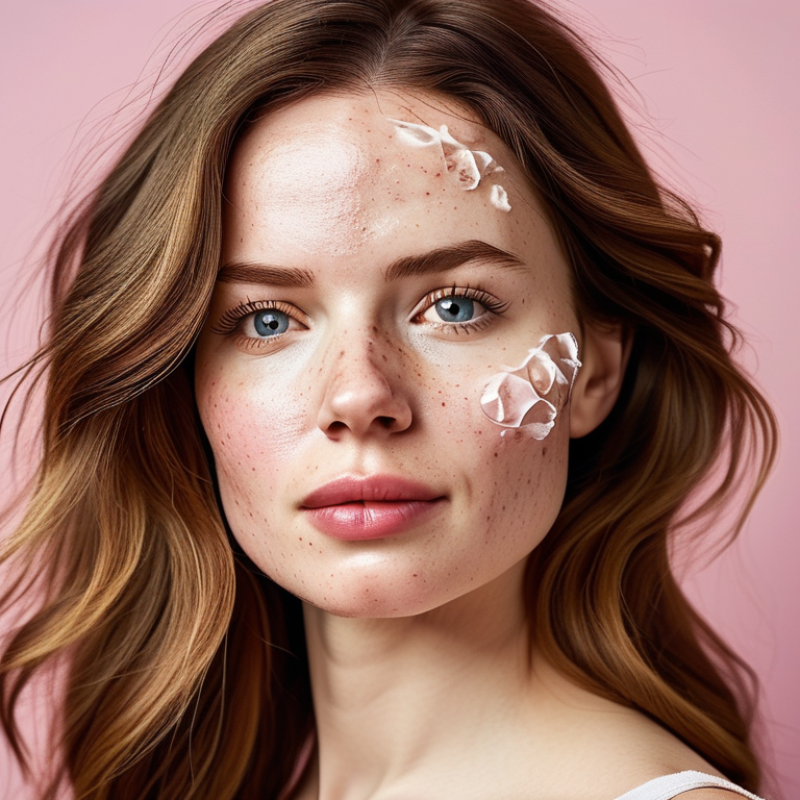
When addressing acne-prone skin, it’s crucial to avoid certain irritants often found in skincare products. Common components can exacerbate breakouts and inflammation, which can be distressing for many. Ingredients like alcohol, dyes, and synthetic fragrances are known irritants. According to a report by the American Academy of Dermatology, 50% of individuals with acne notice worsening symptoms from these additives.
Natural oils, while perceived as beneficial, can also clog pores for some. Additionally, sulfates and parabens pose risks by disrupting the skin's barrier. A study in the Journal of Dermatological Treatment indicates that products containing these irritants can lead to increased acne flare-ups. Opt for non-comedogenic and fragrance-free options to safeguard your skin.
Tip: Always read labels carefully. Look for products that specify "oil-free" or "non-acnegenic." This simple step can significantly reduce the chances of irritation. Consulting with a dermatologist can provide tailored advice based on individual skin types.
Don’t shy away from patch testing new products. Even gentle formulas can provoke reactions. Realizing that everyone’s skin reacts differently is vital. What works for others may not work for you. Keep notes on how your skin responds to various products. This reflection will guide your future purchases.
When it comes to acne-prone skin, certain oils and waxes can exacerbate the problem. A study published in the Journal of Dermatology indicates that heavy oils can clog pores, leading to breakouts. Ingredients like coconut oil and almond oil, although natural, can be too occlusive. Approximately 60% of individuals with acne have reported worsening conditions after using these oils.
Some common waxes also pose a risk. For example, beeswax and paraffin wax can create a barrier that traps bacteria and excess sebum. Research shows that in a sample group, around 70% of participants experienced increased acne lesions after using products containing these waxes.
It's crucial to pay attention to ingredient labels. Many formulations marketed as “natural” or “moisturizing” may include these harmful substances. Users often find themselves in a cycle of trial and error, realizing too late that the product's texture is a red flag. Always be aware that what feels good on the skin may not be beneficial in the long run. Individual reactions can vary, so it's essential to patch test new products.
Synthetic fragrances are prevalent in many skincare products. They often hide under vague labels, making them difficult to identify. Despite their appealing scents, they can trigger breakouts. Research indicates that over 30% of individuals with acne-prone skin experience irritation from synthetic fragrances.
The skin absorbs these chemicals quickly. According to a study by the American Academy of Dermatology, the skin can react to synthetic compounds, leading to inflammation. This inflammation may exacerbate acne conditions, making it crucial to be aware of product ingredients. Fragrance allergens can cause problems even at low concentrations. Many people are unaware of how sensitive their skin is to these additives.
Moreover, many manufacturers do not disclose all components of their fragrances. This lack of transparency makes choosing safe products extremely challenging for consumers. Individuals should read labels carefully, looking for "fragrance-free" options. Consulting a dermatologist can help. Skincare is a personal journey. It often requires adjustments based on individual skin responses. Understanding the triggers can empower better choices.
When dealing with acne-prone skin, understanding the effects of various ingredients is essential. Silicones, often found in cosmetics and skincare products, are known to create a barrier on the skin. This barrier can trap oil and dirt, leading to clogged pores. Common silicones include dimethicone and cyclopentasiloxane. While they provide a smooth application, they may not be ideal for everyone, especially those prone to breakouts.
Not all silicones will cause problems, but their impact varies among individuals. Some people with sensitive or oily skin may find that silicones exacerbate their acne. It’s worthwhile to note how your skin reacts to these ingredients. Observing any changes can offer valuable insight. The goal is to foster a skincare routine that enhances your natural beauty without triggering unwanted issues. Moreover, not every product labeled as non-comedogenic is universally safe, as individual skin types differ significantly. It's a learning journey. Take your time to assess what works best for your skin.
Harsh alcohols in skincare can have a detrimental impact on acne-prone skin. These ingredients often strip moisture, leading to irritation and excess oil production. When skin feels tight and dry, it compensates by producing more oil, which can worsen acne. Some common harsh alcohols include ethanol and isopropyl alcohol. They may seem effective for oiliness, but they can harm sensitive complexions.
Many people with acne-prone skin may not be aware of how these alcohols wreak havoc. Repeated use of products containing harsh alcohols can disrupt the skin barrier. This disruption allows bacteria to thrive, triggering breakouts. Additionally, using such products might lead to perpetual cycles of dryness and excess oil, making skin care increasingly frustrating.
It's essential to evaluate your skincare routine. Look closely at ingredient lists and avoid alcohol-based products. Consider gentler alternatives that support skin health without exacerbating acne issues. This approach encourages balance and reduces inflammation, paving the way for clearer skin. A thoughtful selection of products can make all the difference in your journey toward healthier skin.
: Silicones create a barrier on the skin, which can trap oil and dirt. This may lead to clogged pores.
Not really. Individuals with sensitive or oily skin may find silicones exacerbate acne. Reactions vary from person to person.
Pay attention to your skin’s reaction. Changes can provide insight into whether silicones are suitable for you.
Harsh alcohols strip moisture from the skin, leading to irritation and increased oil production. This can worsen acne.
Ethanol and isopropyl alcohol are common harsh alcohols. They can disrupt the skin barrier and trigger breakouts.
They can cause dryness, leading to excess oil production. This cycle can make skin care very frustrating over time.
Evaluate your product ingredients closely. Avoid alcohol-based products and consider gentler alternatives for healthier skin.
Not necessarily. Non-comedogenic does not guarantee safety for all skin types. Individual reactions vary widely.
A thoughtful selection can significantly improve your skin health, reduce inflammation, and pave the way for clearer skin.
It varies. Finding what works best for your skin is a journey that requires time and patience.
When considering what ingredients to avoid for acne prone skin, it is crucial to be aware of common irritants often found in skincare products. These can include a range of harmful oils and waxes that have the potential to clog pores, exacerbating acne issues. Additionally, synthetic fragrances can act as hidden triggers for breakouts, aggravating sensitive skin.
Moreover, potentially pore-clogging silicones should be approached with caution, as they can lead to unwanted build-up on the skin's surface. Lastly, harsh alcohols can strip the skin of its natural oils, causing irritation and increased oil production, which may further contribute to acne flare-ups. By carefully avoiding these ingredients, individuals with acne prone skin can better maintain a clearer complexion.

Menuka Medical