A moisturizer should leave your face comfortable, not prickly. Yet a tight, stinging sensation can appear seconds after application, especially around the nose, cheeks, or freshly shaved skin. If you are searching “why does my face itch after moisturizing,” the answer may involve irritation, fragrance, an ingredient sensitivity, or a weakened skin barrier. The product may be popular and still not suit your skin.
The American Academy of Dermatology reports that contact dermatitis can affect people of all ages, while its guidance notes that fragrances and preservatives can trigger reactions in some individuals. These facts make ingredient labels worth checking, but they do not diagnose a rash. Dr. Peter Lio, a dermatologist and eczema specialist, has described moisturizers as “the cornerstone of eczema therapy.” That does not mean every formula works for every face. Skin is personal.
Notice what happens next. Is the itch mild and brief, or does redness, swelling, or a bumpy rash follow? A burning sensation after applying moisturizer may point to irritation, particularly if your skin is already dry, over-exfoliated, or cracked. Stop using the suspected product, rinse gently with lukewarm water, and avoid adding several new products at once. Small steps help identify a trigger. If symptoms persist, worsen, or involve swelling, seek advice from a qualified clinician. This guide explains common causes, practical relief, and when professional care matters—without assuming that one product or routine fits everyone.
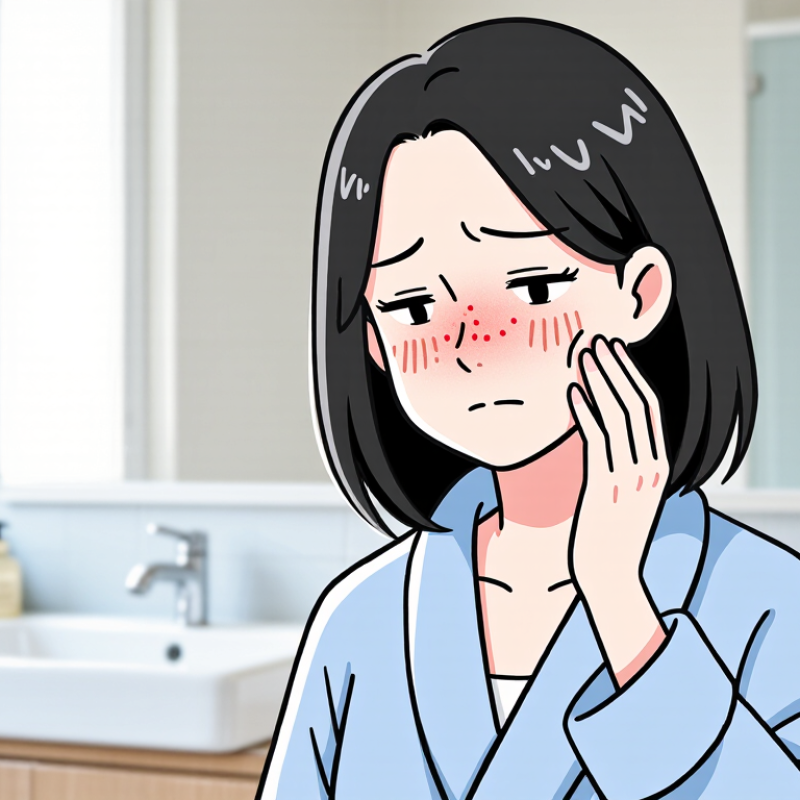
Identify the Cause of Itching After Moisturizing
An itchy face after moisturizing is a clue, not a diagnosis. Note how quickly it starts, where it appears, and what the skin looks like. Immediate stinging on dry, cracked cheeks may point to irritation or a weakened skin barrier. Itch that develops hours later, especially with redness or small bumps, can fit allergic contact dermatitis. Fragrance, preservatives, and botanical extracts are possible triggers, but the ingredient list alone cannot confirm the cause.
The North American Contact Dermatitis Group’s 2017–2018 patch-test report evaluated 4,947 referred patients; 65.3% had at least one positive reaction. These were patients sent for testing, not a sample of all moisturizer users, so the figure cannot predict your personal risk. Still, it shows why persistent reactions deserve careful investigation. Timing can mislead. Heat, cleansing, or another product used nearby may also be responsible.
Pause the suspected moisturizer and avoid adding new products while the skin settles; changing several things at once makes the trigger harder to identify. Keep a simple record of products and symptoms, including whether itching returns with use. Don’t repeatedly test a product on irritated facial skin. A dermatologist can assess the rash and consider patch testing for delayed allergy. Seek prompt medical care for facial swelling, blistering, eye involvement, or breathing trouble.
Stop the Suspected Product and Calm Your Skin
If your face starts itching after moisturizing, stop using the suspected product. Don’t apply another layer to test it. If residue remains, rinse gently with cool-to-lukewarm water and pat dry with a clean towel. Hold a cool, damp cloth against the skin for five to ten minutes. Keep it simple.
For the next day or two, avoid exfoliating acids, retinoids, scrubs, fragranced products, and hot water. These may add irritation while your skin is unsettled. If your face feels tight, try a thin layer of a plain moisturizer you have tolerated before. Skip it if it stings. It’s tempting to switch products repeatedly, but that can make the cause harder to identify. Give it time.
Note when the itching began and which products you used, including sunscreen or makeup. Mild irritation may settle after you stop the trigger, but worsening or persistent symptoms deserve medical advice. Seek prompt care for marked swelling, blisters, or symptoms around your eyes. If your lips or tongue swell, or breathing becomes difficult, get emergency help. Skin reactions are not always easy to identify at home.
How to Stop Your Face Itching After Moisturizing?
Stop the suspected product and calm your skin
The bars show a suggested order of actions, not measured treatment effectiveness. Stop using the suspected product and gently rinse your face. A cool compress may soothe discomfort; if needed, use only a previously tolerated, fragrance-free moisturizer. Seek urgent care for facial or throat swelling or trouble breathing, and consult a healthcare professional if symptoms are severe or persistent.
Review Ingredients and Adjust Your Skincare Routine
How to Stop Your Face Itching After Moisturizing?
Itching after moisturizer often points to irritation, allergy, or a damaged skin barrier. Review the ingredient list before changing everything. Fragrance, essential oils, drying alcohols, and some preservatives can trigger discomfort. Active ingredients may also irritate when combined with retinoids, exfoliating acids, or vitamin C. A dermatologist can help identify allergic contact dermatitis through proper testing. Do not ignore repeated swelling, hives, burning, or breathing difficulty. Seek medical care promptly if these symptoms appear.
I once assumed a thicker cream would solve my tight, itchy skin. It made the problem worse. Cleanse with lukewarm water, pat gently, and apply a simple moisturizer to slightly damp skin. Stop one new product for several days. Then reintroduce products one at a time. Patch-test a small area near your jaw first. This method feels slow, but it makes reactions easier to trace. Avoid scrubs and strong actives while your skin settles.
Tips: Choose a short ingredient list. Prefer fragrance-free formulas. Check whether itching begins immediately or hours later. Keep notes about products, weather, cleansing, and exercise. If one product stings repeatedly, stop using it. “Natural” does not always mean gentle. I still find ingredient labels confusing sometimes, so professional advice is wiser than guessing. A routine should feel comfortable, not merely look impressive.
Reintroduce Moisturizers With a Patch Test
How to Stop Your Face Itching After Moisturizing?
Reintroduce Moisturizers With a Patch Test
If your face stings or itches after moisturizing, pause the product rather than applying more. Once your skin feels calm, reintroduce products one at a time. Choose a small, discreet area, such as the inner forearm, and apply a little moisturizer there twice daily. The American Academy of Dermatology recommends testing a new skin-care product this way for 7 to 10 days. That gives delayed irritation a chance to show up. Not glamorous, but useful.
Check the test area for redness, bumps, swelling, or itching, and note when symptoms appear. If the patch stays clear, try the moisturizer on a small area near the jaw before using it across your face. Keep other new products out of the routine; otherwise, the culprit gets harder to identify. I would not treat one calm test as a guarantee. Facial skin can react differently, and that part is frustrating. If itching returns, wash the product off and stop using it. Persistent symptoms, facial swelling, or a rash that worsens deserve advice from a dermatologist, who can assess possible irritation or allergy and recommend formal patch testing.
Know When to Seek Medical Advice
If your face keeps itching after moisturizing, stop using that product for now. Rinse gently with lukewarm water; scrubbing may worsen irritation. A cool, clean compress can ease discomfort. Avoid exfoliants, retinoids, fragrance, and other new products while your skin settles. It may be tempting to try the cream again, but that can make the cause harder to identify.
Contact a healthcare professional if itching lasts more than a few days, returns with each application, or comes with a spreading rash, significant redness, swelling, blisters, or painful cracks. Seek advice sooner if the skin becomes warm, tender, or begins weeping. A clinician can consider the timing, ingredients, and other products you use. Bring the container or a clear photo of its ingredient list. Itching alone cannot show whether the cause is irritation, allergy, or something unrelated.
Get emergency help for trouble breathing, faintness, or swelling of the lips, tongue, or throat. Do not wait to see if those symptoms pass. Rapid facial swelling or eye involvement also deserves urgent medical attention. Even a familiar moisturizer can trigger a reaction; that uncertainty can be frustrating.
How to Stop Your Face Itching After Moisturizing? — Know When to Seek Medical Advice
| What You Notice |
What You Can Do |
When to Seek Medical Advice |
| Mild, brief stinging or itching with no visible swelling or rash |
Stop applying the product for now. Rinse gently with lukewarm water and avoid scrubbing. Use a cool, damp cloth for comfort. |
Ask a healthcare professional if the sensation persists, keeps returning, or worsens. |
| Redness, dryness, scaling, or burning where the moisturizer was applied |
Discontinue the suspected product. Keep your routine simple and avoid other products that irritate your skin. Do not apply the product again to “test” the reaction. |
Arrange medical advice if the irritation is significant, spreading, or not improving after you stop using the product. |
| Itching after using a new or reformulated product |
Check the ingredient list and note when the reaction began. Bring the product or its ingredient list to a medical appointment if needed. |
Seek advice if the reaction recurs or you are unsure whether it is an irritation or an allergy. A clinician can assess whether testing is appropriate. |
| Swelling, hives, or a rapidly worsening rash |
Stop using the product and seek prompt medical guidance. Avoid applying additional skincare products to the affected area. |
Get urgent medical care, especially if symptoms are spreading or worsening quickly. |
| Trouble breathing or swallowing, or swelling of the lips, tongue, or throat |
Call your local emergency number immediately. Do not wait to see whether the symptoms resolve on their own. |
This may be a severe allergic reaction and requires emergency care. |
Conclusion
If you are wondering, “why does my face itch after moisturizing,” the cause may be irritation, an allergic reaction, over-exfoliation, dryness, or a weakened skin barrier. Fragrance, essential oils, preservatives, and certain active ingredients can also trigger discomfort. Stop using the suspected moisturizer and gently rinse your face with lukewarm water. Keep your routine simple, avoid scrubs and strong treatments, and use a cool compress to help calm itching. Do not scratch, as this may worsen redness and irritation.
Once your skin feels comfortable, review the product’s ingredient list and remove possible triggers from your routine. Reintroduce moisturizers gradually by applying a small amount to a limited area for several days before using them on your entire face. Choose gentle, uncomplicated formulas and introduce only one new product at a time. Seek medical advice if itching is severe, persistent, spreading, or accompanied by swelling, hives, pain, or breathing problems.

 Menuka Medical