How to Repair a Damaged Skin Barrier Fast?

Time:2026-09-22 Author:Sophia
0%

When skin suddenly stings, flakes, or feels tight after cleansing, the barrier may be asking for help. Redness can spread across the cheeks. Even water may burn. Learning how to repair a damaged skin barrier starts with recognizing these small, uncomfortable signals.

Board-certified dermatologist Dr. Hadley King has said, “A healthy skin barrier is the foundation of healthy skin.” That principle keeps treatment practical. Pause exfoliating acids, retinoids, scrubs, and fragranced products for several days. Wash with lukewarm water and a gentle, non-foaming cleanser. Pat carefully, rather than rubbing with a towel. Apply a fragrance-free moisturizer while the skin remains slightly damp. Look for ceramides, glycerin, cholesterol, and fatty acids. A thin layer of petrolatum can reduce overnight water loss on very dry areas.

Consistency matters more than collecting products. Keep the routine boring. That is often the difficult part. Use broad-spectrum sunscreen during the day, because ultraviolet exposure can prolong irritation. Avoid testing several new products at once; otherwise, you may not know what caused another reaction. Recovery is rarely instant. Some mild irritation improves within days, while persistent cracking, swelling, pain, or oozing needs professional assessment.

There is no perfect routine. Skin changes with weather, stress, medication, and hormones. I would also question the promise of “fast” repair. Gentle care can support recovery, but it cannot replace diagnosis. A dermatologist can distinguish barrier damage from eczema, contact dermatitis, rosacea, or infection. That careful distinction makes how to repair a damaged skin barrier safer, more realistic, and more trustworthy.
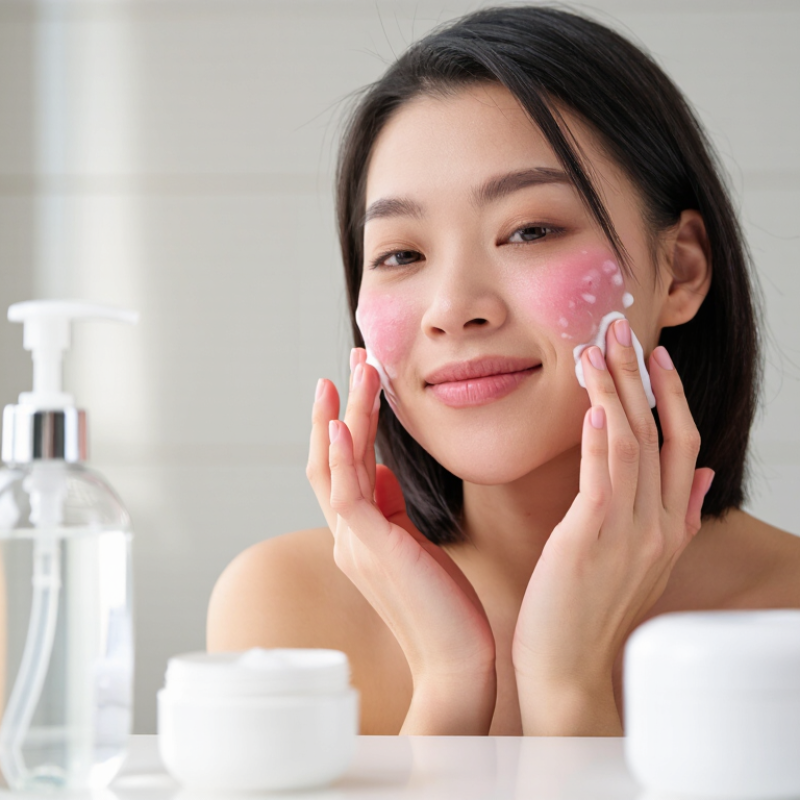
How to Repair a Damaged Skin Barrier Fast?

Assess Barrier Damage Through TEWL, Redness, Tightness, and Flaking

How to Repair a Damaged Skin Barrier Fast?

Assessing barrier damage starts with four clues: TEWL, redness, tightness, and flaking. Transepidermal water loss, or TEWL, measures water escaping through the skin. Higher TEWL usually indicates weaker barrier function. A 2023 review in Clinical, Cosmetic and Investigational Dermatology links elevated TEWL with irritation and inflammatory skin conditions. However, home meters are not always reliable. A dermatologist can measure TEWL under controlled humidity and temperature.

Redness may appear as warmth, patchy flushing, or stinging after cleansing. Tightness often arrives when skin feels stretched, especially after washing. Flaking shows visible shedding, but it does not always prove severe damage. The American Academy of Dermatology reports that eczema affects roughly one in ten adults in the United States. That context matters, because persistent redness or scaling may involve dermatitis, not simple dryness. I have mistaken mild tightness for serious damage before. Skin signs can mislead.

Tips: Record symptoms for seven days. Note cleanser use, water temperature, new products, and indoor dryness. Pause scrubs, strong acids, and fragranced formulas during this period. Use lukewarm water and apply a bland moisturizer immediately afterward. Look for improvement in stinging first. TEWL can improve before flaking disappears. If redness spreads, cracks bleed, or symptoms persist beyond two weeks, seek professional assessment. Rescue routines are not always faster.

How to Repair a Damaged Skin Barrier Fast?

Barrier damage can be monitored through transepidermal water loss (TEWL), redness, tightness, and flaking.

Example assessment profile: TEWL is shown in g/m²/h, while redness, tightness, and flaking use a 0–4 symptom scale. Higher values indicate greater barrier stress. A TEWL value above approximately 25 g/m²/h may suggest increased water loss, although interpretation depends on the body site, instrument, humidity, and individual skin condition. This chart is for educational use and is not a diagnosis.

Cleanse Gently at Skin’s pH 4.5–5.5 Without Stripping Lipids

A damaged skin barrier can feel tight, sting when water touches it, or develop rough, flaky patches. Repair rarely happens overnight. Gentle cleansing is a practical place to begin, because harsh washing can remove protective lipids and increase water loss. Healthy skin usually sits mildly acidic, often around pH 4.5–5.5. A cleanser near this range is less likely to disrupt that balance.

Use lukewarm water, not steaming water. Wet your face, then massage a fragrance-free, low-foaming cleanser with clean fingertips for about 20 seconds. Avoid brushes, scrubs, and vigorous rubbing. Rinse thoroughly and pat dry with a soft towel. Do not chase a squeaky feeling. That tight finish may signal lipid removal, not cleanliness. Dermatology guidance generally favors short cleansing, especially when redness or burning is present.

If your skin feels raw, cleanse once at night and rinse with water in the morning. Apply a plain moisturizer while the skin remains slightly damp. Ingredients such as ceramides, glycerin, and fatty acids may support barrier recovery, though tolerance matters more than a crowded ingredient list. I used to think more foam meant better care. That assumption was wrong. Even a pH-balanced cleanser can irritate compromised skin if used too often. Stop any product that causes persistent burning, swelling, or worsening rash, and seek a qualified dermatologist’s advice.

How to Repair a Damaged Skin Barrier Fast? — Cleanse Gently at Skin’s pH 4.5–5.5 Without Stripping Lipids

Practical cleansing parameters for reducing irritation and supporting the skin barrier.

Dimension Evidence-Based Target Why It Matters Practical Method
Cleanser pH Approximately 4.5–5.5 This is close to the skin’s naturally acidic surface, helping minimize disruption to barrier enzymes and the protective microbiome environment. Choose a mild, fragrance-free cleanser labeled as low-pH or pH-balanced. Product pH is best confirmed by the manufacturer or independent testing.
Cleansing frequency Usually once daily in the evening; up to twice daily if needed Repeated washing can increase dryness and irritation, particularly when the barrier is already compromised. In the morning, rinse with lukewarm water or cleanse only areas that are oily or exposed to sweat. Cleanse after exercise or heavy sweating.
Water temperature Lukewarm, not hot Hot water can increase vasodilation, dryness, and the sensation of stinging in sensitive skin. Use water that feels comfortable on the inner wrist. Avoid steaming-hot showers and prolonged facial rinsing.
Surfactant system Mild syndet or low-irritancy cleanser Harsh detergents and excessive foaming may remove surface lipids and natural moisturizing factors. Prefer cream, lotion, or low-foam formulas. Avoid strongly alkaline traditional soap and products that leave tightness or squeaking.
Contact time Brief, gentle washing Longer exposure to water and surfactants can increase barrier stress without improving cleansing proportionally. Massage with fingertips for about 20–30 seconds, then rinse thoroughly. Do not scrub or use cleansing brushes.
Mechanical friction As little as possible Rubbing can aggravate inflammation and worsen micro-irritation when the barrier is damaged. Use clean fingertips. Pat dry with a soft towel rather than rubbing the skin.
Post-cleanse moisturization Apply within a few minutes Moisturizer helps reduce water loss and supports the recovery of the stratum corneum. Apply a fragrance-free cream or ointment while skin is slightly damp. Look for humectants, emollients, and occlusives.
Barrier-supportive lipids Ceramides, cholesterol, and free fatty acids may be useful These lipid classes are important components of the stratum corneum’s intercellular matrix. Consider a moisturizer containing one or more of these lipid types, especially if dryness, flaking, or tightness persists.
Ingredients to pause Potential irritants during recovery Acids, retinoids, exfoliating particles, strong alcohols, essential oils, and fragrance can increase stinging or inflammation in sensitized skin. Stop or reduce non-essential actives until cleansing and moisturizing no longer cause burning or tightness.
Progress check Less tightness, burning, redness, and flaking Symptom improvement suggests reduced irritation, although visible recovery can take longer than a few days. If symptoms persist, worsen, crack, ooze, swell, or become painful, seek assessment from a qualified healthcare professional.
Safety note: Skin-barrier recovery varies with the cause and severity of damage. Patch-test new products, avoid applying cleanser to broken skin, and obtain medical advice for persistent or severe irritation.

Replenish Ceramides, Cholesterol, and Fatty Acids in a 3:1:1 Ratio

How to Repair a Damaged Skin Barrier Fast?

Replenish Ceramides, Cholesterol, and Fatty Acids in a 3:1:1 Ratio

A damaged skin barrier often feels tight, hot, rough, or unusually sensitive. Water may sting, and familiar products can suddenly burn. The outer skin layer needs more than moisture. It also needs skin-identical lipids, especially ceramides, cholesterol, and fatty acids.

A 3:1:1 ratio is commonly discussed as a useful lipid balance. It refers to the relative proportion of ceramides, cholesterol, and fatty acids in a formula. These lipids help fill gaps between skin cells and support a stronger barrier structure. However, the ratio is not magic. Different skin conditions may need different compositions, and product labels do not always reveal exact concentrations.

Keep the routine simple. Use a gentle, fragrance-free cleanser with lukewarm water. Apply a lipid-focused moisturizer while the skin is slightly damp. Reapply to dry areas, especially after washing your face. Avoid scrubs, strong acids, retinoids, essential oils, and hot water during recovery. Less irritation gives the barrier room to rebuild.

Progress is rarely instant. Mild damage may improve within several days, while persistent sensitivity can take several weeks. I once assumed more moisturizer meant faster repair. That was not always true; heavy layers sometimes caused congestion and discomfort. Patch testing matters. If burning, swelling, cracking, or redness continues, consult a qualified dermatologist for an individual assessment.

Seal Moisture Within 3 Minutes Using Occlusives and Humectants

How to Repair a Damaged Skin Barrier Fast?

Seal Moisture Within 3 Minutes Using Occlusives and Humectants

A damaged skin barrier often feels tight, rough, itchy, or unusually sensitive. Gentle care matters more than aggressive repair claims. After cleansing, leave your skin slightly damp, not dripping. Apply a humectant containing glycerin, panthenol, or hyaluronic acid. These ingredients attract water toward the outer skin layer. Use this step within three minutes.

Then apply a thin occlusive layer. An occlusive balm or ointment helps slow water loss from the surface. Common options include petrolatum, dimethicone, or plant-derived waxes. Press the product over dry areas instead of rubbing hard. Your cheeks may feel comfortably sealed, like a soft protective film. Avoid heavy layers if heat, sweating, or clogged pores worsen your discomfort.

I once used several soothing products at once, hoping to speed recovery. That shortcut backfired. My skin stung more, and I could not identify the cause. Dermatology guidance usually favors a simple routine during barrier stress: gentle cleansing, moisturization, and daily broad-spectrum sunscreen. Fragrance, exfoliating acids, retinoids, and harsh scrubs may need a temporary pause. Patch test new products first. Persistent burning, swelling, cracking, or oozing deserves professional medical advice. Humectants need support from occlusives; otherwise, dry conditions may leave skin feeling tight again.

Track Recovery Over 2–4 Weeks and Reintroduce Actives Gradually

How to Repair a Damaged Skin Barrier Fast?

A damaged skin barrier needs fewer products, not stronger ones. For two to four weeks, use a gentle cleanser, a plain moisturizer, and broad-spectrum sunscreen. Apply moisturizer to slightly damp skin, especially after washing. Tightness, stinging, flaky patches, and sudden redness should slowly decrease. Recovery is rarely perfectly linear. Some mornings may look worse after poor sleep, cold air, or over-washing.

Track changes every three days, using the same lighting and distance. Note burning, redness, dryness, and new breakouts in a simple journal. This record provides useful evidence for a pharmacist or dermatologist if symptoms persist. I often see people restart active ingredients too early. I have made that mistake myself. Skin can feel better before its protective function fully recovers.

Tips: Introduce one active at a time after several calm days. Start with one application weekly, using a small amount. Avoid combining exfoliating acids, retinoids, and strong acne treatments initially. If stinging lasts beyond a few minutes, stop and return to basic care. Patch testing can reduce surprises, but it cannot predict every reaction. Seek professional advice for swelling, blistering, spreading rash, or persistent pain.

FAQS

What are the main signs of a damaged skin barrier?

Common clues include increased water loss, redness, tightness, stinging, roughness, and visible flaking. Skin may feel hot. These signs can overlap with dermatitis or other conditions.

What does TEWL tell me about skin health?

TEWL measures water escaping through the skin. Higher TEWL often suggests weaker barrier function. Home meters may be unreliable because humidity and temperature affect readings. Professional testing is more controlled.

Can tightness and flaking confirm serious barrier damage?

No. Tightness often follows cleansing or hot water exposure. Flaking shows shedding, but it does not always indicate severe damage. I once confused mild tightness with major damage. Skin signs can mislead.

How should I track possible barrier damage at home?

Record symptoms for seven days. Note cleanser use, water temperature, new products, and indoor dryness. Also record stinging after washing and changes in redness. Patterns may become clearer.

Which products should I pause during recovery?

Temporarily avoid scrubs, strong acids, retinoids, essential oils, and fragranced formulas. These may increase irritation while the barrier is sensitive. Use a gentle, fragrance-free cleanser instead. Less irritation helps.

How can ceramides, cholesterol, and fatty acids support repair?

These skin-identical lipids help fill spaces between outer skin cells. A commonly discussed balance is ceramides, cholesterol, and fatty acids at 3:1:1. The ratio is not magic. Formulas differ, and labels may hide exact concentrations.

How should I apply moisturizer during barrier recovery?

Rinse with lukewarm water and avoid rubbing the skin dry. Apply a bland, lipid-focused moisturizer while the skin remains slightly damp. Reapply to dry areas after washing. Heavy layers are not always better.

How quickly can a damaged skin barrier improve?

Mild damage may improve within several days. Persistent sensitivity can take several weeks. Stinging may improve before flaking disappears. Recovery is rarely instant.

When should I seek professional skin assessment?

Seek qualified medical advice if redness spreads, cracks bleed, or symptoms persist beyond two weeks. Also seek help for swelling or continuing burning. A rescue routine is not always faster.

Conclusion

Learning how to repair a damaged skin barrier starts with recognizing its warning signs, including increased water loss, redness, tightness, stinging, and flaking. Begin by cleansing gently with lukewarm water and a mild formula that supports the skin’s natural pH range of 4.5–5.5, avoiding harsh scrubbing and lipid-stripping ingredients. The goal is to reduce irritation while preserving the protective oils already present in the skin.

Next, replenish essential barrier components such as ceramides, cholesterol, and fatty acids in an approximate 3:1:1 balance. Apply humectants to attract water, then seal it in within about three minutes with a suitable occlusive layer. Monitor changes in comfort, redness, flaking, and moisture over two to four weeks. Once the skin feels stable, gradually reintroduce active ingredients one at a time, allowing several days between additions to identify any renewed irritation. Consistency and a simplified routine are key to supporting steady recovery.

Sophia

Sophia

Sophia is a dedicated marketing professional with an exceptional depth of knowledge about her company's products and services. With a keen understanding of market trends and customer needs, she crafts insightful blog posts that not only inform but also engage readers, enriching the company’s online......