Home peeling has become increasingly popular for achieving radiant skin. Yet, a critical question arises: how often should you do home peeling? Renowned dermatologist Dr. Rachel Adams emphasizes, “Overdoing it can harm your skin rather than help it.” Finding the right frequency is vital for your skin’s health and overall appearance.
Experts recommend listening to your skin before deciding on a peeling schedule. For some, weekly treatments may yield great results, while others might benefit from a more spaced-out routine. Pay attention to how your skin reacts. Signs of irritation mean you might be peeling too often.
Ultimately, it’s essential to strike a balance. Home peeling can enhance your beauty regimen, but improper frequency can lead to adverse effects. Reflect on your skin type and adapt your approach as needed. Remember, the goal is healthy, glowing skin, not a damaged barrier.
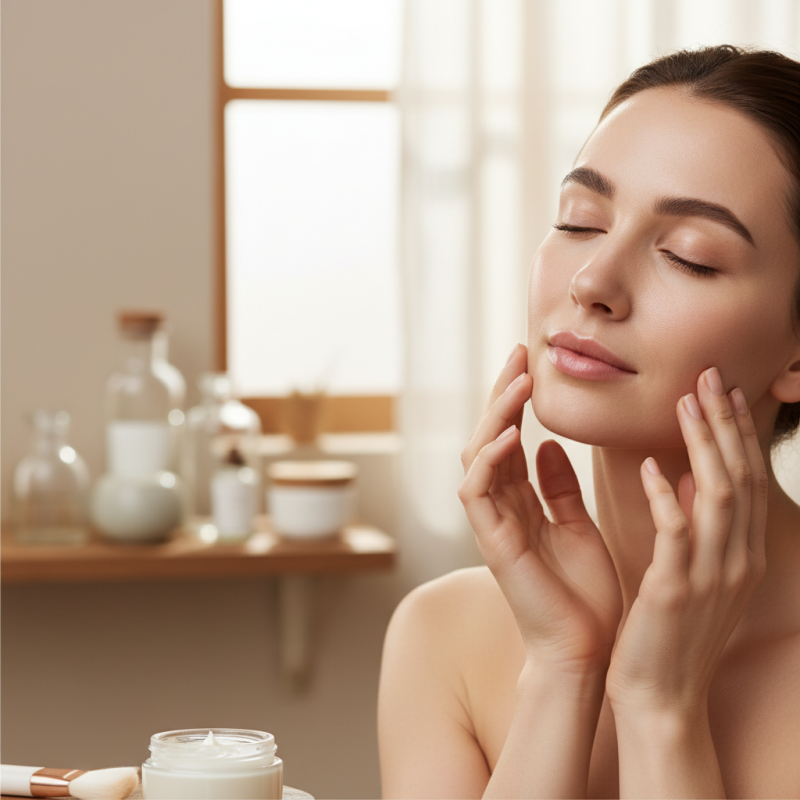
Home peeling is a skincare technique that exfoliates the outer layer of the skin. It involves using chemical solutions to remove dead skin cells. This process reveals brighter and smoother skin underneath. Many people may hesitate to start, fearing potential skin irritation. However, the right approach can provide significant benefits.
The advantages of home peeling include improved skin texture and tone. It can help reduce the appearance of fine lines and acne scars. Using peels can lead to a more radiant complexion. Finding the right type of peel for your skin is essential. Not all peels suit every skin type, so testing a small patch is wise. Proper research on ingredients is crucial for effective and safe results.
Timing is also important. Overdoing it can lead to redness and discomfort. Aim for every two to four weeks, depending on your skin’s sensitivity. If irritation occurs, it may be necessary to pause and reassess your routine. Listening to your skin is key. Finding that balance takes time and patience. This self-care method can elevate your skincare routine, but it requires careful attention and understanding.
When considering home peeling, it's crucial to differentiate between chemical and physical exfoliants. Chemical exfoliants often contain ingredients like alpha hydroxy acids (AHAs) or beta hydroxy acids (BHAs). These compounds penetrate the skin, helping to dissolve dead skin cells. Reports indicate that AHAs can improve skin texture and tone by up to 20% within a few weeks of regular use. Meanwhile, BHAs are effective for oily or acne-prone skin, as they can clear pores.
On the other hand, physical exfoliants utilize granules or brushes for manual scrubbing. While they provide immediate smoothness, overuse can lead to skin irritation or micro-tears. A study found that 40% of individuals using strong physical exfoliants experienced increased sensitivity. It's essential to tailor your peeling routine based on your skin type. Fine-tuning frequency is vital; excessive peeling can disrupt the skin's barrier. The ideal range is usually once a week, but this can vary based on personal needs and reactions. Skin care is a nuanced journey, and reflection on your own skin’s response is key.
| Type of Exfoliant | Frequency of Use | Key Ingredients | Skin Type |
|---|---|---|---|
| Chemical Exfoliants (AHAs) | 2-3 times a week | Glycolic acid, Lactic acid | Dry to normal skin |
| Chemical Exfoliants (BHAs) | 1-2 times a week | Salicylic acid | Oily and acne-prone skin |
| Physical Exfoliants | 1-2 times a week | Sugar, Coffee grounds | All skin types (use gently) |
| Enzyme Peels | Once a week | Pineapple, Papaya enzymes | Sensitive skin |
Home peeling can be an effective way to maintain healthy skin. However, several factors influence how often you should do it. Your skin type plays a crucial role. For example, sensitive skin may react poorly to frequent peeling, while oily skin may tolerate it better. It's essential to recognize your skin's unique needs.
The condition of your skin also matters. If you are experiencing breakouts or irritation, it might be wise to pause peeling until your skin stabilizes. Adjust your routine based on how your skin responds. Monitor for any signs of over-exfoliation, such as redness or flakiness.
Tips: Start with once every two weeks if you're new to peeling. Gradually increase frequency if your skin handles it well. Always follow up with ample moisturization. Protect your skin with sunscreen always, especially post-peeling. Reflect on how your skin feels after each session. Learning from your experiences can guide your future peeling routines.
When considering home peeling, the frequency can vary based on skin type. For sensitive skin, once every two to three weeks is often ideal. This allows the skin to recover and reduces the risk of irritation. Redness or flakiness after peeling is common, and waiting longer can help achieve better results in the long run.
Normal to oily skin can handle more frequent treatments. A bi-weekly schedule often works well for these skin types. This frequency can help control excess oil and improve texture. However, always monitor your skin’s response. If irritation occurs, it may be necessary to reduce frequency.
For dry skin types, once every three weeks is advisable. Over-peeling can strip the skin of essential moisture. Hydration is crucial post-peeling. Remember, everyone’s skin is unique. Maintaining a personal record of how your skin reacts to peeling can offer valuable insights for future treatments.
Post-peeling care is crucial for enhancing results and maintaining skin health. After a home peeling session, your skin may feel sensitive and require special attention. Start by hydrating your skin with an appropriate, gentle moisturizer. This helps to lock in moisture and soothe any irritation.
Tips: Use products rich in hyaluronic acid. They can provide deep hydration. Avoid heavy, oil-based products, as they may clog pores.
Sun protection is essential post-peel. Your skin becomes more vulnerable to UV rays. Apply a broad-spectrum sunscreen with SPF 30 or higher. This protects your skin from sun damage and prevents hyperpigmentation.
Tips: Reapply sunscreen every two hours when outdoors. Wearing a wide-brimmed hat can also offer extra protection.
Recognize that healing takes time. Everyone's skin responds differently. Monitor your skin’s reaction to peeling. If irritation persists, reconsider your peeling frequency or products used. This reflective approach helps in achieving the best and safest results. Remember, less is sometimes more when it comes to skin treatments.
: For sensitive skin, peel once every two to three weeks. This allows recovery and minimizes irritation.
Yes, bi-weekly treatments work well for normal to oily skin. This can help control oil and improve texture.
If irritation occurs, reduce the peeling frequency. Always listen to your skin's response for better results.
For dry skin, peeling once every three weeks is ideal. Over-peeling can remove essential moisture.
Hydrate your skin with a gentle moisturizer after peeling. Look for products that contain hyaluronic acid.
Peeling makes your skin more vulnerable to UV rays. Apply broad-spectrum sunscreen with SPF 30 or higher.
Reapply sunscreen every two hours when outdoors. This protects against sun damage and hyperpigmentation.
Avoid heavy, oil-based products. They can clog pores and worsen irritation after peeling.
Everyone's skin responds differently. Monitoring helps you adjust peeling frequency and choice of products effectively.
Yes, less is sometimes more. Over-treating can lead to irritation and longer healing times. Reflect on your routine and adjust as needed.
Home peeling is a popular skincare practice that can enhance skin texture and appearance. Understanding how often should you do home peeling is crucial for achieving the best results. The benefits of home peeling include smoother skin and a more radiant complexion, but it is essential to differentiate between the two main types: chemical exfoliants and physical exfoliants. Each type offers unique advantages but also varying levels of intensity and potential irritation.
Several factors will affect your personal peeling frequency, such as skin type, sensitivity, and specific concerns. For example, individuals with oily skin may benefit from more frequent peeling than those with dry or sensitive skin. It is generally recommended that most people peel at home every 1 to 4 weeks, depending on their skin's needs. To maximize the results, proper post-peeling care is vital, including hydration and sun protection, ensuring that your skin reaps the full rewards of your efforts.

Menuka Medical