In the world of skincare, understanding hydration versus moisturization is crucial. Many people often ask, "what is the difference between hydrating and moisturizing?" According to dermatology expert Dr. Jane Smith, “Hydration adds water to the skin, while moisturization seals it in.” This fundamental distinction plays a vital role in achieving healthy skin.
Research by the American Academy of Dermatology indicates that 60% of individuals struggle with dry skin issues. Many misuse products due to a lack of understanding of these terms. Hydration focuses on increasing water content, while moisturization is about locking that moisture in. This nuance is pivotal, especially when selecting products suited to specific skin needs.
It’s important to note that while many creams claim to hydrate, they often provide moisture instead. This confusion can lead to unmet skincare goals. Thus, recognizing what product targets your skin's hydration or moisturization needs can transform your routine. By understanding these differences, you can make informed choices that truly benefit your skin health.
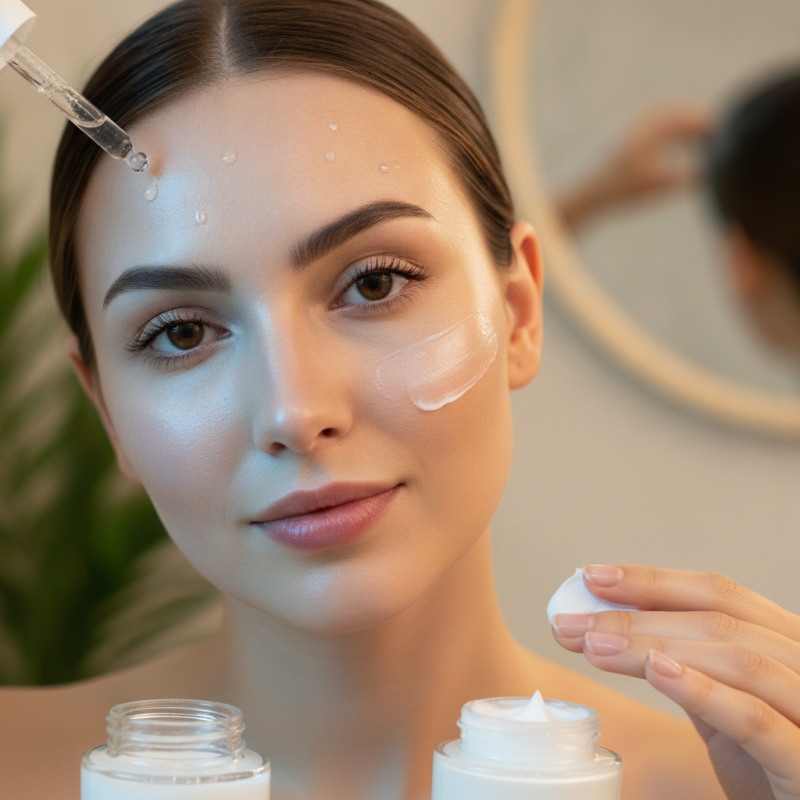
Understanding Hydration and Moisturization: Key Differences Explained
Hydration and moisturization are essential but often confused concepts.
Hydration refers to the water content in your skin. It helps your skin feel plump and radiant. Moisturization, on the other hand, involves creating a barrier.
This barrier locks in moisture and prevents water loss. Understanding these differences is crucial for proper skincare.
One essential tip is to drink plenty of water. This internal hydration supports your skin’s suppleness.
Consider using a hydrating serum that contains ingredients like hyaluronic acid. This ingredient can attract and hold water in your skin.
Another tip is to apply your moisturizer while your skin is still damp. This technique helps to seal in moisture more effectively.
Pay attention to your skin's unique needs. Some may require more hydration due to climate conditions or lifestyle.
For example, if you live in a dry environment, your skin may need extra care.
Regularly assess your skin’s condition and adjust your regimen. It’s important to find a balance between hydration and moisturization that works for you.
The Science Behind Skin Hydration: Importance of Water in Skin Function
Water plays a crucial role in maintaining skin health. It helps regulate skin temperature and facilitates the repair of skin cells. Studies indicate that hydrated skin can appear plumper and more elastic, decreasing the appearance of fine lines. The National Institutes of Health reports that skin hydration is essential for the skin barrier function. When the barrier is compromised, skin may become dry and prone to irritants.
The balance between hydrating and moisturizing is intricate. Hydration refers to water content in the skin. Moisturizing, on the other hand, involves using products that create a barrier to prevent water loss. The American Academy of Dermatology notes that dry skin can lead to inflammation and increased sensitivity. It’s essential to choose the right products based on individual skin needs. Often, people overlook their skin's water levels, focusing too much on oils and creams.
Regular hydration can make a significant difference. Drinking enough water daily helps support overall skin health. However, factors like weather and age can influence hydration levels. It’s worth noting that even the most advanced skincare routines may neglect hydration, leading to disappointing results. Recognizing the difference between hydrating and moisturizing is vital. Knowledge in this area can guide consumers toward better skincare choices.
Moisturizers: Ingredients and Functions for Skin Barrier Support
Moisturizers play a vital role in maintaining the skin's barrier. They contain ingredients that help seal in hydration. Common components include oils, humectants, and occlusives. Oils create a protective layer on the skin, preventing water loss. Humectants attract moisture from the surroundings, while occlusives lock it in. This blend ensures your skin stays hydrated throughout the day.
Understanding the functions of different ingredients is essential. For example, glycerin is a powerful humectant that draws moisture into the skin. On the other hand, shea butter acts as an occlusive that provides a thick barrier. However, not all moisturizers work for everyone. Some may feel too heavy or lead to breakouts. Choosing the right product requires experimentation and reflection on your skin's needs.
Moisturizing is about finding balance. The right moisturizer enhances your skin barrier while allowing it to breathe. It’s a journey to discover what feels best. Pay attention to how your skin reacts over time. Small changes can make a big difference.
Hydrating Ingredients vs. Moisturizing Agents: What to Look For
Hydrating and moisturizing are often used interchangeably, but they serve different purposes in skincare. Hydrating ingredients like hyaluronic acid or glycerin draw water into the skin, while moisturizing agents such as occlusives and emollients create a barrier to prevent water loss. A 2022 report from the International Journal of Dermatology noted that understanding these differences is crucial for effective skincare.
When looking for hydrating products, focus on ingredients with high water retention capacities. For example, hyaluronic acid can hold up to 1,000 times its weight in water. In contrast, moisturizing agents typically include ingredients like oils and butters, which seal in moisture. Tips to consider include checking product labels for active ingredients and choosing formulations based on your skin type and environmental factors.
It's important to reflect on your skin's unique needs. Some may assume they only need one type of product, which can lead to dehydration. Balance is key; both hydration and moisturization are essential for healthy skin. Additionally, consider seasonal changes, as hydration needs may vary with the weather. Keeping your skincare routine flexible ensures optimal skin health year-round.
10 Essential Tips on Hydrating vs Moisturizing What is the Difference?
| Tip |
Hydrating Ingredients |
Moisturizing Agents |
| 1 |
Hyaluronic Acid |
Shea Butter |
| 2 |
Glycerin |
Cocoa Butter |
| 3 |
Aloe Vera |
Jojoba Oil |
| 4 |
Urea |
Cetyl Alcohol |
| 5 |
Sodium PCA |
Beeswax |
Choosing the Right Products: Tailoring Hydration and Moisturization to Skin Type
When selecting the right products for skin hydration and moisturization, understanding your skin type is paramount. Hydration refers to the water content in your skin, while moisturization locks in that water. For example, oily skin types may benefit from lightweight, gel-based hydrators. According to a study by the American Academy of Dermatology, individuals with oily skin should avoid heavy creams that could worsen breakouts. On the other hand, dry skin types often need rich creams that provide deep moisture.
Consider using products with hyaluronic acid for hydration. This ingredient can hold up to 1,000 times its weight in water. However, applying it alone on dry skin may lead to an uncomfortable feeling. Layering it with a thicker moisturizer helps seal in that hydration. Simply using an oil-based moisturizer without addressing your skin's hydration needs may lead to a feeling of heaviness without true moisture. This nuance is significant, as research indicates that 73% of people misuse hydration products, leading to misunderstanding their skin's needs.
Despite these insights, many continue to struggle with choosing the right products. The skincare market is flooded, and not every product delivers as promised. People often overlook their unique skin hydration needs, resulting in trial-and-error decisions. Reflecting on your skin's response is critical. An informed approach enhances your skincare regimen, fostering healthier, more radiant skin over time.
FAQS
: Water helps regulate skin temperature and repairs skin cells, making skin plumper and more elastic.
Hydration refers to water content in skin. Moisturizing prevents water loss through protective products.
Dry skin can lead to inflammation and increased sensitivity, making the skin more vulnerable to irritants.
Moisturizers seal in hydration and contain ingredients that attract and lock in moisture.
Different skin types react differently; experimentation is crucial for finding the right balance of hydration and moisture.
No, using oils alone may lead to heaviness without addressing true hydration needs, especially for dry skin.
Hyaluronic acid can hold vast amounts of water, making it a potent hydrating agent.
The flooded skincare market and lack of understanding their unique skin needs often lead to trial-and-error.
Pay attention to how your skin reacts and make adjustments based on its responses over time.
Yes, even the best routines may overlook hydrating, resulting in disappointing skin health.
Conclusion
Understanding the distinction between hydrating and moisturizing is crucial for effective skin care. The article "10 Essential Tips on Hydrating vs Moisturizing: What is the Difference?" emphasizes that hydration refers to increasing the water content of the skin, while moisturization involves creating a protective barrier to prevent water loss. Key scientific insights highlight the role of water in skin function, underscoring a hydrated complexion’s importance for overall skin health.
To effectively address skin needs, it is essential to choose products that contain specific hydrating ingredients, such as hyaluronic acid, and moisturizing agents that support the skin barrier, like ceramides. Tailoring hydration and moisturization strategies to individual skin types is also crucial for achieving optimal results. By understanding what is the difference between hydrating and moisturizing, individuals can make more informed decisions about their skincare routines, leading to healthier, more radiant skin.

 Menuka Medical