Choosing the right sunscreen is crucial for those with sensitive skin. Dr. Emily Fields, a renowned dermatologist, emphasizes, "Not all sunscreens are created equal, especially for sensitive skin." This highlights the importance of understanding how to choose sunscreen for sensitive skin.
Sensitive skin reacts easily to certain ingredients. It’s essential to identify what works for you. Look for physical sunscreens with mineral ingredients like zinc oxide or titanium dioxide. These ingredients are less likely to irritate. Many people with sensitive skin overlook the potential benefits of fragrance-free formulas. It’s an important detail that can make a significant difference.
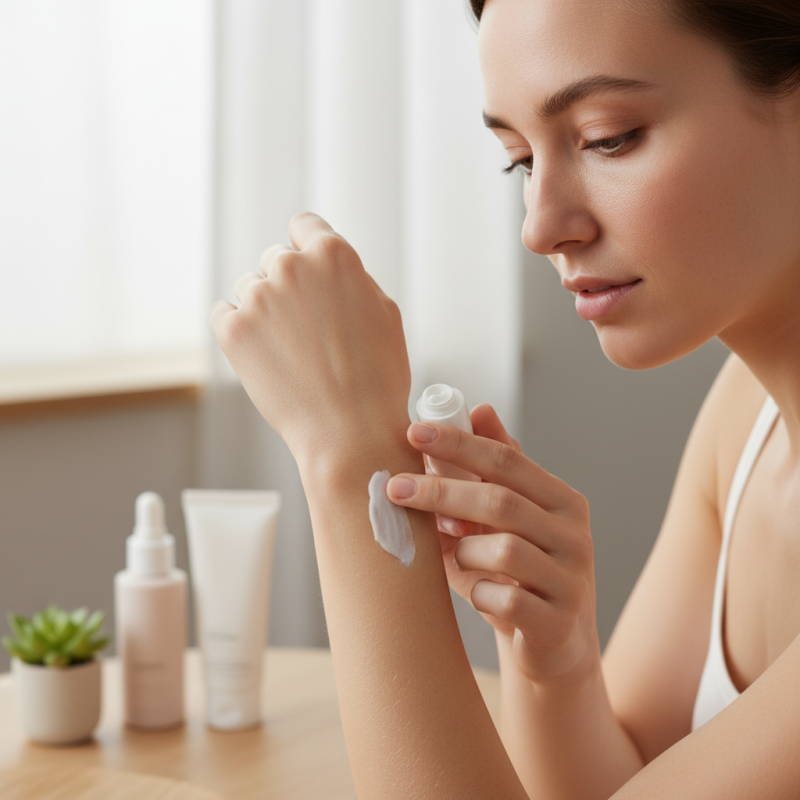
Always patch-test a new sunscreen. This simple step can save you from a bad reaction. Remember, there’s no one-size-fits-all product. Sometimes, even the most recommended sunscreens may not suit you. Pay attention to your skin’s response. Your journey in finding the right sunscreen may feel overwhelming, but it is worth it for the health of your skin.
Understanding sensitive skin is vital for effective skincare. Sensitive skin often reacts negatively to irritants, causing redness and discomfort. Environmental factors like sun exposure can exacerbate these reactions. Therefore, choosing the right sunscreen is crucial for those with this skin type.
Look for products labeled as hypoallergenic or specifically designed for sensitive skin. Ingredients such as zinc oxide or titanium dioxide are often gentler and provide physical protection. Avoid fragrances and alcohol, as they can trigger sensitivity. It’s essential to test any new product on a small skin area first. This helps to prevent adverse reactions.
Remember, each person's skin is unique. What works for one individual might not work for another. Sensitivity can change with weather or hormonal fluctuations. Regularly reassess your sunscreen choices based on these factors. Observing how your skin reacts to different products and environments can help refine your selection process.
| Attribute | Details |
|---|---|
| Skin Type | Sensitive Skin |
| Recommended SPF | 30 or higher |
| Key Ingredients | Zinc oxide, Titanium dioxide |
| Avoid | Fragrances, Alcohol, Retinyl palmitate |
| Application Type | Cream or lotion preferred |
| Water Resistance | Water-resistant for at least 40 minutes |
| Patch Test | Conduct a patch test before full application |
| Expiration Date | Check for expiration date to ensure efficacy |
: Look for physical blockers like zinc oxide and titanium dioxide. They are gentler and effective.
Aloe vera and chamomile can calm irritation and prevent discomfort for sensitive skin types.
Avoid oxybenzone, octinoxate, fragrances, and parabens. These ingredients can trigger irritation and allergies.
Perform a patch test on your wrist. Wait 24 hours to monitor for any reactions.
Use a generous amount, about the size of a shot glass, for full-body coverage.
Apply sunscreen at least 15 minutes before going outside. This allows it to absorb properly.
Reapply every two hours, or more often if sweating or swimming. Frequent reapplication is crucial.
If a product causes irritation, stop using it. Testing different formulas might take time.
No, everyone’s skin is unique. What works for one person may not work for another.
Yes, consulting a dermatologist can provide personalized advice for persistent skin sensitivities.
When it comes to how to choose sunscreen for sensitive skin, understanding its unique requirements is essential. Individuals with sensitive skin need products that soothe rather than irritate. Key ingredients to look for include mineral-based compounds like zinc oxide or titanium dioxide, which provide effective sun protection while being gentle. It's also crucial to avoid harsh chemicals, fragrances, and preservatives that can trigger reactions.
Proper application techniques can further enhance the effectiveness of sunscreen, ensuring maximum protection. Additionally, new sunscreen products should always be tested through patch-checking to identify any adverse reactions before full application. By following these guidelines, individuals with sensitive skin can safeguard their skin while enjoying the outdoors.

 Menuka Medical