Why Does Chemical Exfoliation Cause Skin Purging?

Time:2026-07-24 Author:Liam
0%

Chemical exfoliation is gaining popularity for its ability to improve skin texture and clarity. Many people experience a phase known as skin purging during this process. This leads to questions about why does chemical exfoliation make skin purge? Understanding the mechanism behind this phenomenon is crucial for anyone considering a new skincare routine.

When introducing acids or retinoids, the skin undergoes significant changes. These ingredients accelerate cell turnover, pushing impurities to the surface. As the skin sheds dead cells faster, clogged pores are often revealed. This can result in breakouts, leaving users confused. Isn’t clearer skin the goal? Yet, purging can happen before visible improvements.

The timing of purging varies. It can last from a few days to several weeks. Factors such as skin type and product strength play a role. Many find this phase frustrating. However, recognizing it as part of the exfoliation journey can foster patience. This expertise emphasizes the necessity of monitoring your skin’s reaction closely. It’s essential to adapt your routine based on what your skin tells you. Understanding the reasons behind skin purging allows individuals to approach chemical exfoliation with realistic expectations.
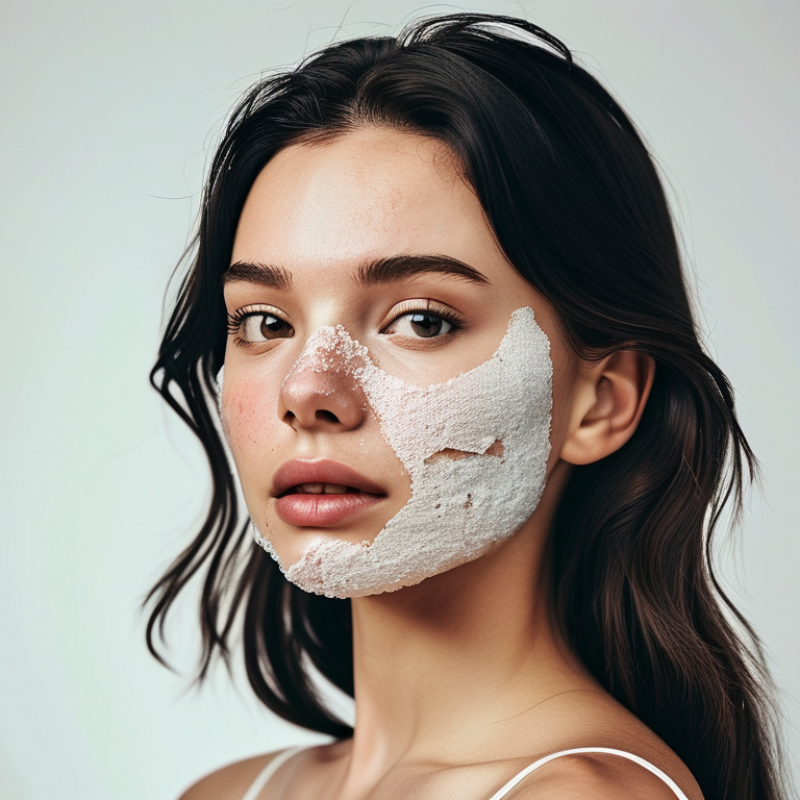
Why Does Chemical Exfoliation Cause Skin Purging?

What is Chemical Exfoliation and How Does It Work?

Chemical exfoliation involves using acids or enzymes to remove dead skin cells. This process promotes skin renewal by revealing a fresher layer. It targets issues like dullness, uneven texture, and acne. These exfoliating agents penetrate the skin, breaking down bonds between dead cells. As a result, the skin can appear brighter and smoother.

However, the initial phase of chemical exfoliation can cause skin purging. This occurs when underlying impurities surface. As the skin sheds its dead cells, it can push out trapped sebum and bacteria. Initially, breakouts may worsen. These reactions can be disheartening, but they often signify that the treatment is working. Your skin is adjusting and detoxifying.

It's important to monitor your skin's reaction. Be aware that not all reactions are signs of improvement. If irritation persists, consulting a dermatologist is advisable. Finding the right balance in your skincare routine may take time. The journey of exfoliation can be both enlightening and frustrating. Patience is key, and understanding your skin's unique response is essential.

Understanding Skin Purging: Definition and Symptoms

Chemical exfoliation can lead to a phase known as skin purging. This phenomenon occurs when active ingredients increase cell turnover, causing underlying impurities to surface. Purging typically appears as breakouts or irritation. This response may last from a few days to several weeks, depending on individual skin conditions. According to a 2022 report from the Journal of Dermatological Treatment, nearly 50% of users may experience some level of purging when using exfoliating agents.

Symptoms of skin purging can vary between individuals. Common signs include redness, bumps, and sporadic blemishes. These symptoms are often mistaken for a negative reaction to the product. However, they are generally a sign of the skin adjusting to new active ingredients. The International Journal of Cosmetic Science highlights that understanding purging is essential; it can differentiate between a normal reaction and an allergy. Many dermatologists emphasize not to abandon a product too early. Skin usually clarifies after the purging phase ends.

Users need to monitor their skin's response closely. Not all products lead to purging, and some may worsen existing conditions. This uncertainty can be frustrating, often leaving users questioning their product choices. A careful observation of the skin throughout this process is crucial to ensuring long-term benefits while minimizing adverse effects.

The Mechanism Behind Skin Purging During Chemical Exfoliation

Chemical exfoliation is a popular skincare practice that often leads to skin purging. This phenomenon occurs when the skin accelerates the removal of dead cells and impurities. The mechanism behind this process is tied to the active ingredients commonly found in chemical exfoliants, such as AHAs and BHAs. According to a study published in the Journal of Dermatology, around 40% of individuals using these products experience a purging phase.

During purging, skin cell turnover increases significantly. This rapid cycle can cause pre-existing congestion and impurities to rise to the surface. These events may lead to temporary breakouts, an unsettling process for many. Furthermore, a survey by the American Academy of Dermatology indicates that nearly 50% of users stop treatments prematurely due to these unexpected reactions. This response highlights a crucial point about patience in skincare regimens.

The science behind purging involves the stimulation of the skin's natural healing process. While beneficial, this rapid turnover can expose sensitivities and unmask underlying issues. Understanding this dynamic aspect of chemical exfoliation is essential. Each person's skin behaves differently, and what might benefit one could provoke unwanted reactions in another. Hence, ongoing observation and adjustment are key in any skincare journey.

Factors That Influence Skin Purging Responses

Chemical exfoliation can lead to skin purging, a process where the skin reacts to the application of acids or enzymes. Several factors influence this reaction. Skin type plays a crucial role. Oily or acne-prone skin often experiences more purging, as these skin types have more impurities to begin with. When exfoliants increase cell turnover, trapped oils and debris may surface, causing breakouts.

Another important factor is the concentration of the exfoliating agent. Higher concentrations can provoke stronger reactions. Sensitivity levels vary significantly between individuals. Those with sensitive skin might experience redness and irritation more readily, leading to a more tumultuous purging phase. Adjusting application frequency can help mitigate adverse effects, but overdoing it may result in prolonged skin distress.

Lifestyle habits also contribute to purging responses. Stress, diet, and environmental factors can amplify skin reactions. Maintaining a balanced diet and practicing good hydration may help support the skin during these phases. It’s also vital to listen to your skin. If symptoms escalate, reducing product usage or consulting a dermatologist could provide the necessary guidance. Understanding these influences allows individuals to navigate the challenges of chemical exfoliation more thoughtfully.

Why Does Chemical Exfoliation Cause Skin Purging? - Factors That Influence Skin Purging Responses

Factor Description Impact on Purging
Skin Type Different skin types react variably to chemical exfoliants. Sensitive skin may experience more erythema and purging.
Concentration of Exfoliant Higher concentrations can result in faster skin turnover. Increased likelihood of purging.
Frequency of Use Daily use versus weekly allows different skin adjustments. Daily use may lead to more pronounced purging.
Current Skincare Regimen Products previously used can affect how skin reacts. Use of retinoids can intensify purging effects.
Underlying Skin Conditions Conditions like acne may influence purging duration. Pre-existing conditions may worsen purging.

Tips for Managing and Reducing Skin Purging Effects

Chemical exfoliation can lead to skin purging. This reaction occurs as the skin accelerates cell turnover, pushing out impurities. The process can be frustrating. However, there are ways to manage this temporary phase effectively.

One tip is to start slow. If you’re new to chemical exfoliants, use them only a few times a week. Gradually increase usage as your skin adjusts. Pay attention to your skin’s response. Redness or irritation can be signs to ease back. Hydration is crucial. Use gentle, hydrating products to soothe the skin and maintain its barrier.

Another way to reduce purging effects is through proper aftercare. Apply a calming serum after exfoliation. Ingredients like niacinamide or aloe vera can help. Avoid harsh scrubs or aggressive treatments during this time. Listen to your skin. If you notice excessive breakouts or discomfort, reconsider your routine. Adjustments may be necessary. Experimenting with different products can lead to insights about what your skin needs.

FAQS

: What is skin purging?

: Skin purging is when exfoliating ingredients speed up cell turnover, causing breakouts or irritation.

How long does skin purging last?

Purging can last from a few days to several weeks, depending on individual skin conditions.

What are the common symptoms of skin purging?

Symptoms may include redness, bumps, and occasional blemishes. These can be mistaken for negative reactions.

Is all skin purging the same?

No, responses vary by individual. Skin type and existing conditions heavily influence reactions to exfoliation.

Should I stop using a product if I experience purging?

Many dermatologists advise against stopping prematurely. Skin often clarifies after the purging phase ends.

What factors can influence skin purging?

Skin type, product concentration, and individual sensitivity can all affect purging responses.

Do lifestyle habits affect skin purging?

Yes, stress, diet, and environmental conditions can amplify reactions. A balanced diet helps support skin.

How can I manage symptoms during purging?

Monitor your skin’s response. Adjusting application frequency can help reduce irritation and redness.

Why is observation important during purging?

Understanding your skin's reaction is crucial for adapting your regimen and achieving long-term benefits.

Can someone with sensitive skin have a better experience with purging?

Sensitive skin might react more negatively, so adjustments and monitoring are key for a better experience.

Conclusion

Chemical exfoliation is a skincare process that involves the use of acids or enzymes to remove dead skin cells and promote new cell turnover. Understanding why does chemical exfoliation make skin purge is crucial for those experiencing initial breakouts or irritation. Skin purging refers to the accelerated shedding of skin cells, which can lead to temporary redness, bumps, or acne as impurities surface and clear from beneath the skin.

The mechanism behind this phenomenon includes the stimulation of deeper skin layers, facilitating the elimination of clogged pores and the emergence of new skin. However, various factors such as skin type, exfoliation intensity, and frequency can influence individual responses to chemical exfoliants. For those concerned about skin purging, tips for managing its effects include gradually introducing exfoliants into their routine, maintaining proper hydration, and allowing time for skin adjustment, ultimately leading to clearer and healthier skin over time.

Liam

Liam

Liam is a dedicated marketing professional with a profound expertise in the industry, where he excels at highlighting the unique advantages of our core products. With a keen understanding of market trends and consumer needs, Liam frequently updates our company’s professional blog, providing......