Sudden dark spots on the face can be a puzzling and distressing concern. Dr. Emily Carter, a renowned dermatologist, explains, “Understanding what causes sudden dark spots on the face requires a close look at various factors.” These spots may appear due to sun exposure, hormonal changes, or underlying health issues. For many, the appearance of these spots triggers anxiety about aging and skin health.
Each case is unique, leading to confusion about the best treatment methods. Treatment options can vary from topical solutions to professional procedures. Many people experience frustration, as not every approach yields the desired results. It’s vital to seek expert advice tailored to individual skin types and conditions to effectively address this issue.
Despite the inconsistencies in treatments, awareness is crucial. Recognizing what causes sudden dark spots on the face is the first step in finding solutions. Engaging with professionals and doing research can help demystify the causes and, ultimately, bring peace of mind and better skin health.
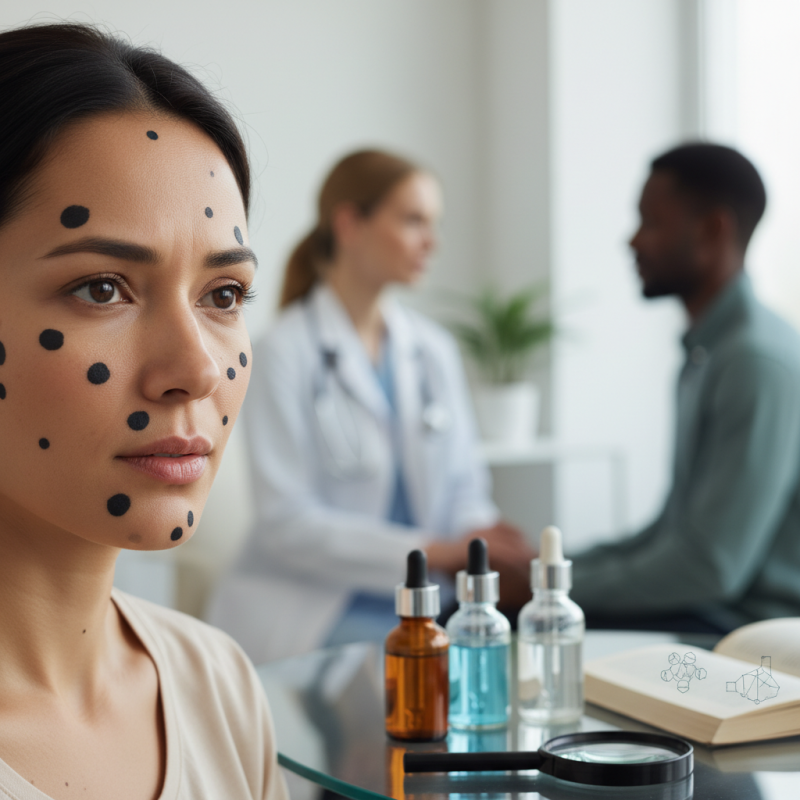
Causes of Sudden Dark Spots: Understanding Hyperpigmentation Mechanisms
Sudden dark spots on the face can often be attributed to hyperpigmentation. This occurs when the skin produces excess melanin. Various factors can trigger this process, including sun exposure, hormonal changes, and specific medications. According to a study published in the *Journal of Dermatology*, about 90% of individuals experience some form of hyperpigmentation, especially post-sun exposure.
Understanding the mechanisms behind this is crucial for effective treatment. Ultraviolet (UV) radiation is a significant contributor, causing skin cells to produce more melanin as a defense mechanism. The American Academy of Dermatology notes that even small amounts of sun exposure can lead to lasting dark spots. Additionally, hormonal fluctuations during pregnancy or menopause may also lead to the appearance of melasma, a specific type of hyperpigmentation.
Lifestyle factors, such as stress and diet, can exacerbate the condition. Unhealthy eating habits may affect skin health, leading to uneven tones. A balanced diet rich in antioxidants can aid in mitigating these effects. While treatments are available, such as topical creams and chemical peels, results may vary. The journey to achieving even skin tone can be unpredictable, highlighting the importance of individualized care and consultations with skin care professionals.
Causes of Sudden Dark Spots on the Face
Common Triggers for Dark Spots: Hormonal Changes and Sun Exposure
Dark spots on the face can appear suddenly, catching many people off guard. They can stem from various triggers. Two common culprits are hormonal changes and sun exposure. Hormonal fluctuations, particularly during pregnancy or menopause, can lead to melasma. This skin condition creates brown patches, often on the cheeks or forehead. Many women experience this, and it can be frustrating.
Sun exposure is another major factor contributing to dark spots. UV rays cause an increase in melanin production. This can lead to hyperpigmentation, especially in areas frequently exposed to sunlight. Even short periods in the sun without protection can have lasting effects. It’s essential to use sunscreen daily to minimize this risk. Regular use of protective measures is crucial for maintaining an even skin tone.
Treating dark spots often requires a multi-faceted approach. Topical treatments can be effective, but results may take time. Consulting a dermatologist can help tailor a treatment plan. They can recommend specific products or procedures based on individual skin types. However, it’s important to manage expectations, as not all spots may fade completely. Continuous reflection on one’s skincare habits can lead to improvements.
Dermatological Conditions: Melasma, Freckles, and Age Spots Explained
Sudden dark spots on the face can be alarming. Understanding the dermatological conditions that contribute to their appearance is crucial. Melasma, freckles, and age spots are among the most common culprits. Melasma, often triggered by hormonal changes, usually appears as brown patches on the cheeks and forehead. Studies show that 70% of individuals affected are women, often during pregnancy or while taking contraceptives.
Freckles tend to occur on lighter skin types. These small, flat spots result from sun exposure and genetic predisposition. According to the American Academy of Dermatology, UV rays increase melanin production, leading to more pronounced freckles. Age spots, also called liver spots, are similar but typically develop on older skin due to cumulative sun damage.
For those dealing with these concerns, here are a few tips. Use broad-spectrum sunscreen daily to prevent worsening of existing spots. Consider topical treatments with ingredients like hydroquinone or retinoids to lighten dark spots over time. Regular visits to a dermatologist can ensure the correct diagnosis and treatment plan.
Be aware that changes in skin can signal underlying issues. Monitoring these changes is essential. Sometimes, what appears on the surface may reflect deeper health concerns. Embracing a comprehensive skincare routine tailored to your skin type can offer the best results. Always prioritize your skin's health over quick fixes.
Effective Treatment Options: Topical Agents and Professional Procedures
Sudden dark spots on the face can be concerning. Various factors contribute to their appearance. Sun exposure, hormonal changes, and aging can lead to these pigmentation issues. A deeper understanding of treatment options is essential to regain skin clarity.
Topical agents offer a range of solutions. Hydroquinone, a bleaching agent, can help lighten dark spots over time. Retinoids improve skin turnover and can fade pigmentation. Vitamin C serums are popular for brightening skin naturally. These products require consistent use for noticeable results. A patch test is wise, as some might cause irritation.
Professional procedures can be more effective for stubborn spots. Chemical peels exfoliate the skin, promoting new skin growth. Laser therapy targets pigment directly, often with impressive results. Microdermabrasion gently removes the outer layer of skin, revealing fresher skin beneath. Consulting a dermatologist is crucial for safe and suitable treatment tailored to individual skin types.
What Causes Sudden Dark Spots on Face and How to Treat Them?
| Cause |
Description |
Treatment Option |
Effectiveness |
| Sun Exposure |
Overexposure to UV rays, leading to hyperpigmentation. |
Sunscreen, topical retinoids. |
High |
| Hormonal Changes |
Fluctuations due to pregnancy or birth control. |
Chemical peels, laser therapy. |
Moderate to High |
| Aging |
Natural skin aging process leads to liver spots. |
Topical lighteners, microdermabrasion. |
Moderate |
| Skin Conditions |
Conditions like melasma or post-inflammatory hyperpigmentation. |
Topical corticosteroids, prescription creams. |
Variable |
| Medications |
Certain medications can cause photosensitivity. |
Consultation with a dermatologist for alternatives. |
N/A |
Prevention Strategies: Sunscreen Use and Skincare Tips for Dark Spot Reduction
The appearance of sudden dark spots on your face can be alarming. It often signals an imbalance in skin health. Preventing these spots is crucial, and one of the most effective strategies is regular sunscreen use. According to the Skin Cancer Foundation, daily application of sunscreen with at least SPF 30 can reduce the risk of skin cancer and prevent hyperpigmentation. This simple step plays a significant role in blocking harmful UV rays and minimizing the formation of dark spots.
In addition to sunscreen, a solid skincare routine can help reduce dark spots effectively. Incorporating products that contain Vitamin C and niacinamide can brighten the skin and even out tone. Research published in the Journal of Cosmetic Dermatology found that Vitamin C can significantly improve skin pigmentation and overall appearance over an eight-week period. Using gentle exfoliants, like alpha-hydroxy acids, can also encourage cell turnover, revealing fresher skin underneath.
However, even with preventive measures in place, some may find dark spots still appear. It’s not always about perfection. Skin can react differently, and hormonal changes or stress may also contribute to pigmentation issues. Regularly assessing your skincare routine is essential. Are you consistent with your sunscreen application? Do you notice changes in your skin’s response to products? Reflecting on these questions can guide better choices moving forward.
Conclusion
Sudden dark spots on the face can be a concerning issue, prompting many to ask, "what causes sudden dark spots on face?" The primary culprit is hyperpigmentation, which can occur due to various triggers, including hormonal changes, sun exposure, and specific dermatological conditions like melasma, freckles, and age spots. Understanding these mechanisms is essential for identifying the root cause of the dark spots.
To effectively address this issue, a range of treatment options is available, from topical agents that lighten pigmentation to professional procedures aimed at more significant results. Moreover, prevention plays a vital role in managing dark spots. Incorporating sunscreen into daily skincare routines and adopting healthy skincare tips can significantly reduce the risk of developing new spots, promoting a clearer complexion over time.

 Menuka Medical